




Jack Osbourne se pronunció en defensa del avatar de inteligencia artificial de Ozzy Osbourne que fue anunciado la semana pasada. Los Osbourne se asociaron con Hyperreal y Proto Hologram para crear un “Príncipe de las Tinieblas” impulsado por IA, que podrá hablar con sus fanáticos y estará disponible en unidades Proto Luma en el Reino Unido y los Estados Unidos a finales de este verano.
Jack y su madre, Sharon Osbourne, anunciaron el proyecto en la Licensing Expo 2026 en Las Vegas, y Jack señaló que “da un poco de miedo lo increíblemente preciso que es”. A pesar del entusiasmo de la familia, hubo cierta reacción negativa por parte del público y de los fanáticos de Osbourne. Jack se refirió al malestar durante una sesión de preguntas y respuestas en una transmisión en vivo el sábado.
“El asunto es que lo que estamos haciendo va a ser de muy buen gusto. No va a ser una puta porquería”, dijo Jack. “Lo que estamos haciendo es realmente complejo. Esto no es simplemente como conectar una imagen de mi papá a ChatGPT. Esta es tecnología de alto nivel con la que vamos a trabajar, se va a sentir muy real y es una locura cómo se va a utilizar”.
Explicó que había discutido ideas similares con su padre antes de su fallecimiento el año pasado. “Está muy bueno y es algo en lo que creo que mi papá estaría interesado”, dijo Jack. “De hecho, hablamos de eso antes de que falleciera, de hacer algo como esto… Sé que a él le interesaría esto”.
En el anuncio, Sharon explicó: “Le puedes preguntar cualquier cosa al Ozzy [digital] y él te responderá con su propia voz, y las respuestas serán lo que Ozzy habría dicho. Lo vamos a llevar por todo el mundo. La gente podrá hablar con él y él les responderá”.
“Da un poco de miedo lo increíblemente preciso que es”, dijo Jack. “Existirá digitalmente como él mismo mientras tengamos computadoras. La tecnología ha avanzado tanto que es casi como arrastrar y soltar. Podrías filmar una plantilla para un comercial… literalmente darle las indicaciones de lo que quieres que haga el Ozzy Digital en ese comercial y simplemente lo insertas. Así de simple es ahora”.
El director ejecutivo de Hyperreal, Remington Scott, le dijo a Rolling Stone que creó el avatar de Ozzy utilizando tecnología patentada que le permite operar en tiempo real. La empresa utiliza la tecnología patentada “Digital DNA” (ADN Digital) para recopilar los datos que necesita para crear los avatares.
“Puede actuar en vivo, responder al público y existir dentro de entornos interactivos”, dijo Scott. “Esto no es contenido renderizado previamente que se reproduce en bucle. Es una actuación viva, construida exclusivamente a partir de material original autenticado: curado, consentido y controlado por las personas más cercanas a Ozzy”.
The post Jack Osbourne defiende al Ozzy Osbourne de IA: “No va a ser una porquería” appeared first on Rolling Stone en Español.
Después de más de una década bajolos reflectores, Niall Horan atraviesa una etapa marcada por la claridad creativa y la confianza en sí mismo. En Dinner Party, su cuarto álbum como solista, el músico irlandés se aleja de la sobreproducción para apostar por un sonido más orgánico y directo, construido desde la energía de una banda tocando en vivo.
El disco nació inmediatamente después de la gira de The Show, una experiencia que —según cuenta— le recordó que todavía había gente interesada en escuchar lo que tenía que decir. Esa sensación terminó moldeando un álbum más espontáneo, vulnerable y honesto, donde Horan deja de sobrepensar sus canciones para simplemente escribir desde el momento que está viviendo.
En una conversación exclusiva, Horan habla sobre el proceso detrás de Dinner Party, la influencia que tuvo la experiencia en vivo sobre el álbum y el lugar emocional desde el que escribió canciones como ‘Dinner Party’ y ‘End of an Era’. Esta última, dedicada a Liam Payne, funciona como uno de los momentos más emotivos del disco. “Muchos de mis recuerdos con Liam son muy felices”, explica Horan. Lee la plática a continuación.
Felicidades por el álbum. Lo he estado escuchando y me gustó mucho. Saldrá en un par de semanas, ¿cómo te sientes?
Estoy listo. Asustado. Pero si, listo.
¿Qué es lo que te asusta?
Bueno, me gusta toda la música y espero que al mundo también le guste. Esa es la parte más aterradora. Y la verdad es que esa sensación nunca cambia.
Normalmente te tomas un tiempo después de una gira, pero esta vez prácticamente regresaste directo al estudio. Dijiste que la gira y álbum anteriores te dieron mucha confianza. ¿Qué cambió creativamente para ti después de esa experiencia?
La emoción de volver al estudio. Me di cuenta ese año de que la gente todavía quería escuchar sobre mi, y eso me dio mucha confianza y emoción. Solo quería volver a entrar y hacer otro disco. Además, ya sabía cómo quería que sonara el álbum incluso antes de hacerlo. Sabía lo que quería decir. Y también pensé: mientras más rápido entre al estudio, más rápido puedo sacar el disco y más rápido puedo volver a salir de gira.
¿Y cuál era ese sonido que sabías que tenía que tener?
Definitivamente quería algo con una sensación mucho más en vivo. Toda mi música siempre ha estado basada en guitarras, pero hasta ahora nunca había sonado realmente tan live. Creo que esta vez quería batería, teclados, bajo, guitarra, guitarra acústica y algunos synths, pero nada más. No quería algo gigantesco ni sobreproducido; quería un sonido directo de banda. Y siento que eso sí se percibe en este disco. Desde el principio tenía claro cómo quería que sonara. No quería experimentar con mil estilos distintos; solo quería tocar como tocamos en los shows.
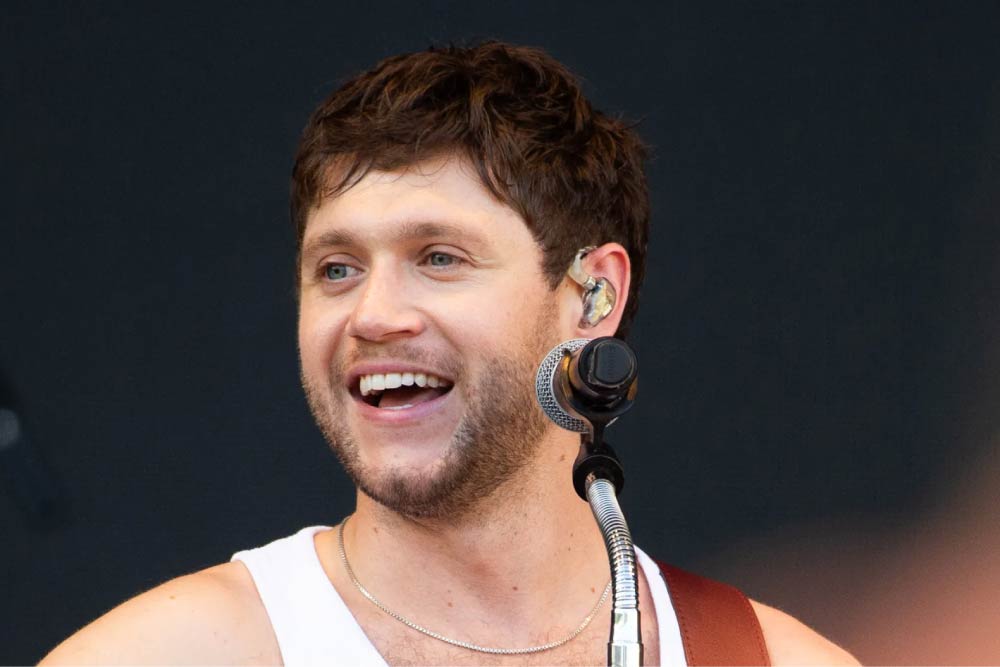
¿Entonces la experiencia en vivo influyó directamente en la manera de escribir el álbum?
Totalmente. Siempre había querido que fuera así. Lo que pasa es que el pop, durante mucho tiempo, dejó de inclinarse hacia un sonido más en vivo. Probablemente desde principios de los 2000. Entonces ha sido bonito volver a escuchar música así y me emociona mucho eso.
¿Qué tanto esa confianza que ganaste en la gira moldeó la manera en que abordaste este nuevo disco?
Muchísimo. Literalmente metí a mis dos productores y colaboradores conmigo a un cuarto y junto con una banda simplemente empezamos a improvisar. Venía saliendo de la gira, entonces mi último recuerdo musical era estar sobre el escenario. Quería continuar con esa energía: montar una banda completa, tener un micrófono enfrente y empezar a cantar. Y lo que fuera que saliera, lo que fuera que escribiéramos o dijera, se convertía en las canciones. En vez de sentarme a pensar demasiado, simplemente lo hice. Y creo que esa fue la mayor influencia en el álbum.
Sí, se siente mucho más genuino y divertido.
Exactamente.
Háblame del concepto y del título de la canción ‘Dinner Party’, que habla de cómo cambió tu vida desde que conociste a tu novia, ¿no?
Sí, totalmente. La canción ‘Dinner Party’ tuvo un impacto enorme en el álbum porque ahí me di cuenta de que estaba escribiendo un disco cronológico sobre lo que pasó después de ese momento. Esa canción era importante porque dice exactamente lo que pasó. Las demás son un poco más detalladas, pero necesitaba esa canción para lanzar el resto del álbum.
¿Y cómo recuerdas esa noche en la que organizaste esa dinner party (cena)?
Siendo honestos, al final hubo más tragos que cena. Pero fue divertido, muy divertido. No era nada elaborado, solo unas cuantas personas. Tomé algunos tragos y fue una locura. Muy random, muy extraño pensar que algo tan pequeño terminara convirtiéndose en algo tan grande. La recuerdo perfectamente. Creo que fue el día más caluroso del año en Reino Unido o algo así. Recuerdo que estaba quemado por el sol.
Has dicho que estos últimos dos álbumes han sido mucho más románticos porque es el lugar emocional en el que estás actualmente. ¿Sientes que tu manera de escribir se ha vuelto más honesta o vulnerable conforme ha cambiado tu vida personal?
Sí, creo que sí. También tiene que ver con crecer un poco y perderle el miedo a decir ciertas cosas. Ahora simplemente me siento y escribo lo que está pasando. Creo que me he vuelto mejor en eso. Antes quizá pensaba: “Mejor no digo esto”, o algo así. Pero ahora ya no me importa tanto. Lo que se me viene a la cabeza, lo digo.
¿Sientes que tienes que equilibrar lo que esperan los fans más longevos sobre ti y el lugar creativo en el que estás hoy?
Sí, totalmente. Eso siempre está en mi cabeza. Pero también sé muy bien qué es lo que mis fans quieren de mí. Les gustan las guitarras, les gusta ese sonido entre rock pop e indie, y también les gustan las canciones acústicas más íntimas, casi como lullabies. Siento que tengo muy claro qué conecta con ellos porque he tocado muchísimos shows y estoy ahí enfrente viendo su reacción. Entonces, cuando entro al estudio, ya tengo una buena idea de qué les gusta y eso siempre está presente en mi mente. Nunca quiero asustarlos ni que reaccionen con un “¿qué está haciendo?”.
El álbum cierra con ‘End of an Era’, una canción sobre la pérdida y el amor. Es una canción triste y nostálgica por la ausencia de Liam Payne, pero me gusta que también mira hacia los buenos momentos. Has dicho que todos tus recuerdos con él son felices. ¿Cómo terminó tomando esta forma más celebratoria?
Creo que la canción va alternando constantemente entre la tristeza y los recuerdos felices. Para mí era importante incluir ambas emociones porque las dos son reales. Muchos de mis recuerdos con Liam son muy felices, pero también es una situación muy triste. Sentí que tenía que incluir las dos cosas. Porque sí, es muy doloroso, pero también vivimos momentos increíbles. Y creo que los fans van a sentirse identificados con eso, porque sus recuerdos de Liam también son felices.
Llevabas tiempo trabajando la canción, pero cuando entendiste que realmente era sobre Liam, todo fluyó mucho más rápido. ¿Qué cambió creativamente cuando te permitiste entrar de lleno a eso?
La canción siempre se llamó ‘End of an Era’, pero yo no sabía cuál era esa “era”. ¿El final de qué? Y de repente dijimos: “Claro, estamos hablando de Liam”. No sé exactamente qué cambió creativamente después de eso, pero sí me hizo entender algo: no sobrepienses tanto las cosas. Estás pensando demasiado. Solo di lo que ves. Y creo que eso me va a ayudar muchísimo de ahora en adelante cada vez que escriba. Es como: no lo sobrepienses, sólo sácalo.
Admiro cómo has evolucionado como artista, especialmente viniendo de una de las bandas más grandes del mundo y construyendo una carrera solista en un momento tan transformador para la industria. ¿Cómo te sientes en esta etapa de tu carrera y de tu identidad artística?
Estoy muy feliz. Me encanta la palabra “longevidad”. Me gustaría estar haciendo esto durante muchísimo tiempo. Y he disfrutado mucho estos últimos diez años, este crecimiento lento pero constante: cómo ha evolucionado la música, cómo los fans han seguido siendo leales, cómo también se ha ido sumando gente nueva, cómo los venues se hacen cada vez más grandes… que es exactamente lo que quiero; que cada vez más personas conecten con la música y eso me hace muy feliz. Y espero sentirme igual cuando llegue a México de gira. Quiero hacer esto durante mucho tiempo, tocar en venues grandes, y si el crecimiento toma tiempo, no me importa.
Siempre has tenido una relación muy fuerte con Latinoamérica, ¿no?
Sí, totalmente. Solo hay que ver las estadísticas en mis redes, en las plataformas digitales, en la venta de boletos… Latinoamérica es una locura, y especialmente México. Para mí es muy emocionante porque yo vengo de un país muy apasionado, entonces entiendo a la gente apasionada. Me encanta cuando vamos allá: lo intensos que son, lo ruidosos que son. Todavía no anuncio los shows, pero voy a volver a México muy pronto. Así que puedes decirle a los fans que ya voy en camino, que estén listos.
Sé que la evolución es importante para ti. Idealmente, ¿cuál sería el mejor escenario para el futuro de este proyecto? Después de lograr tantas cosas, ¿cuál es tu sueño?
La verdad siento que ya estoy viviendo el sueño. Poder tocar en arenas y quizá algunos estadios alrededor del mundo durante todo el tiempo que sea posible. Y seguir haciendo música que me guste, eso es muy importante para mí.
Pero también asegurarme de hacer música que le guste a mis fans. No quiero alejarlos; quiero hacer música que todos amemos. Si puedo seguir haciendo eso y tocar shows grandes por mucho tiempo, seré más que feliz.
The post “Muchos de mis recuerdos con Liam son muy felices”: Niall Horan sobre ‘End of an Era’ appeared first on Rolling Stone en Español.
Rise Against will return to Australia and New Zealand this November and December for their first headline run in the region since 2018, bringing Dropkick Murphys along for the ride on what will be the largest shows either band has played in the region.
The seven-date tour opens in New Zealand with shows at Christchurch’s Wolfbrook Arena on Nov. 21 and Auckland’s Spark Arena on Nov. 24, before the Australian leg takes in Melbourne’s John Cain Arena (Nov. 26), Brisbane’s Riverstage (Nov. 29), the Sydney Opera House Forecourt (Dec. 1) and Perth’s Red Hill Auditorium (Dec. 4).
Both bands will also appear at Meltdown Festival at Gosford’s Entertainment Grounds on Nov. 28 alongside The Living End and Jebediah. Mastercard presale opens Wednesday, May 27 at 12 p.m. local time, with general on sale Friday, May 29 at 1 p.m. local time.
The news comes following Rise Against frontman Tim McIlrath teasing the return in a 2025 interview with The Music. “We are currently conspiring to get down and bring the show to Australia,” he said. “This is a place that has supported us for so long, so we are definitely coming back.” The band last visited Australia in early 2024 as support for blink-182’s arena tour.
The tour supports Rise Against’s tenth studio album Ricochet, released Aug. 15, 2025 via Loma Vista Recordings and produced by Grammy winner Catherine Marks — her first collaboration with the band. The Chicago quartet have placed five consecutive albums in the top 10 of the Billboard 200, with their most recent pre-Ricochet effort, Nowhere Generation (2021), debuting at No. 9.
Dropkick Murphys join behind their thirteenth studio album For the People, released July 4, 2025 on their own Dummy Luck label. The Boston Celtic punk stalwarts have scored three Billboard 200 top 10 entries, with 11 Short Stories of Pain & Glory (2017) debuting at No. 8 and topping both the Top Rock Albums and Alternative Albums charts simultaneously — the first time the band had reached No. 1 on either chart. Their signature track “I’m Shipping Up to Boston” remains one of the most recognisable songs in American sports, having become synonymous with the Boston Red Sox following the team’s 2007 World Series run.
Rise Against with Dropkick Murphys — Australia & New Zealand Tour 2026
Nov. 21 — Christchurch, NZ — Wolfbrook Arena
Nov. 24 — Auckland, NZ — Spark Arena
Nov. 26 — Melbourne, AUS — John Cain Arena
Nov. 28 — Gosford, AUS — Meltdown Festival, Entertainment Grounds*
Nov. 29 — Brisbane, AUS — Riverstage
Dec. 1 — Sydney, AUS — Sydney Opera House Forecourt
Dec. 4 — Perth, AUS — Red Hill Auditorium
*Festival appearance
There was no one big winner at the 2026 American Music Awards, which were presented at the MGM Grand Garden Arena in Las Vegas on Monday (May 25). Instead, seven acts tied for the lead with three awards each – Bruno Mars, BTS, Cardi B, KATSEYE, Sabrina Carpenter, HUNTR/X and Sombr.
But one artist had a notably off night – Taylor Swift, who led the nominations with eight nods but didn’t win any of them. Despite her disappointing showing this year, Swift remains the artist with the most AMAs in the show’s history – a whopping 40.
Related


BTS won artist of the year for the second time. The K-Pop superstars first won in the category in 2021. BTS is one of just four repeat winners in the history of the category. Swift leads all artists with seven awards in the category. BTS is tied with Justin Bieber and One Direction with two wins each. BTS is thus tied with 1D as the group with the most wins in the category.
BTS also won song of the summer for “Swim” and best male K-Pop artist. These three awards bring their career tally of AMAs to 14. Among groups or duos, they are second only to Alabama. The country titans won 23 AMAs.
Bieber won best male pop artist, which brings his career tally of AMA awards to 19. That puts him in a tie with the late Kenny Rogers for the second-most wins among male artists. (The late Michael Jackson leads among men, with 24 awards.) This obviously makes Bieber the living male artist with the most AMA wins.
KATSEYE won new artist of the year. The global girl group was nominated for the Grammy for best new artist in February but lost to Olivia Dean, who was among the nominees here. KATSEYE is the seventh consecutive female act to win in this category. The last six winners were female solo artists: Camilla Cabello, Billie Eilish, Doja Cat, Olivia Rodrigo, Dove Cameron and Gracie Abrams. The last male winner in this category was Niall Horan in 2017. KATSEYE also won best music video and breakthrough pop artist.
HUNTR/X’s “Golden” won song of the year, continuing its winning streak at award shows. It won best song written for visual media at the Grammys and best original song at the Oscars. HUNTR/X also won AMAs for best vocal performance and best pop song.
Sombr won three awards – best rock/alternative song for “Back to Friends,” best rock/alternative album for I Barely Know Her and breakthrough rock/alternative artist. Sombr’s win in the song category was no surprise, but even he expressed surprise at his win in the album category. The album reached No. 10 on the Billboard 200; all of the other nominees climbed higher. Sleep Token’s Even in Arcadia, Twenty One Pilots’ Breach and Zach Bryan’s With Heaven on Top each reached No. 1. Tame Impala’s Deadbeat climbed as high as No. 4. This shows the power of a smash single with universal appeal.
Of the three other three-time winners on the night, Mars won best male R&B artist, best R&B song and best R&B album; Cardi B won best female hip-hop artist, best hip-hop song and best hip-hop album; and Carpenter won album of the year, best female pop artist and best pop album.
Swift wasn’t the only artist with a large number of nominations who was shut out. Also going winless were Dean, who had seven nods; and Warren and Lady Gaga, with six nods each.
Karol G‘s Tropicoqueta won best Latin album, beating, among others, Rosalía’s Lux. Lux is expected to be a major player in next year’s Grammy Awards. Tropicoqueta was nominated for best Latin pop album at the 2026 ceremony. Karol G also won the international artist award of excellence.
Zara Larsson won two awards – collaboration of the year and breakthrough album of the year. This is another sign of how the Swedish star is levelling up in her career. She received her first Grammy nod at the 2026 ceremony – best dance pop recording for “Midnight Sun.”
Twenty One Pilots won best rock/alternative artist for the second year in a row and the fourth time overall. Only one act has won more times in this category, which was first presented in 1995. That’s Linkin Park, which won has won six times (and was nominated this year).
The Black Eyed Peas’ “Rock That Body” won in the new category of best throwback song. The song was the fifth single from the group’s Billboard 200-topping 2010 album The E.N.D. It was the most recently released song among the nominees. The other nominees were 4 Non Blondes’ “What’s Up” (1993) and Goo Dolls’ “Iris” (1998).
Queen Latifah hosted the 52nd American Music Awards, which aired on CBS and streamed on Paramount+. The AMAs, the world’s largest fan-voted award show, was created by legendary producer Dick Clark and first awarded in 1974.
The 52nd American Music Awards nominees are based on key fan interactions, including streaming, album and song sales, radio airplay and tour grosses. These measurements are tracked by Billboard and Luminate, and cover the data tracking eligibility period of March 21, 2025 through March 26, 2026.
The American Music Awards are produced by Dick Clark Productions, which is owned by Penske Media Eldridge, a joint venture between Eldridge Industries and Billboard parent company Penske Media.
An American Music Awards show where Taylor Swift doesn’t win a thing? Where KATSEYE, HUNTR/X and Sombr, who were little-known just a year or two ago, win three awards each? Where Morgan Wallen is passed over for favorite country album…again? (He has yet to win in the category.)
There were surprises galore at the 2026 AMAs, which were presented at the MGM Grand Garden Arena in Las Vegas on Monday (May 25). The show, hosted by Queen Latifah, aired on CBS and streamed on Paramount+.
The show included numerous short clips from past AMA ceremonies, most likely to remind the audience that the show has been around a really long time. Richard Nixon was president when the first AMAs were presented in February 1974. (Okay, not for much longer. He was forced out of office six months later.) Presidents come and go, but awards shows seem to go on forever.
The AMAs now covers a much broader range of music than it did in the early years. In the first five years of the show, awards were presented in just three broad genres – pop/rock, soul/R&B and country. This year, there were awards in each of those categories, but also hip-hop, Latin, rock/alternative, dance/electronic, K-Pop, Afrobeats and Americana/folk.
Here are some of the biggest snubs and surprises at the 2026 American Music Awards.
The American Music Awards are produced by Dick Clark Productions, which is owned by Penske Media Eldridge, a joint venture between Eldridge Industries and Billboard parent company Penske Media.
Dom Dolla has announced his first-ever stadium show in Melbourne, set for Marvel Stadium on Sept. 24 — a homecoming performance the Melbourne-raised DJ and producer is billing as the world premiere of an entirely new stadium production.
The show, presented by Untitled Group and Frontier Touring, falls on the eve of Melbourne’s AFL Grand Final long weekend and is an Australian-exclusive event. It follows Dom Dolla’s record-breaking stadium debut at Sydney’s Allianz Stadium in December 2025, which set a new benchmark for electronic music events in Australia. The Marvel Stadium show will feature the debut of new tracks “Addicted to Bass” and “Don’t Worry Baby” featuring Tiga, both of which he previewed in Sydney.
Pre-sale tickets for fans registered at Dom Dolla’s website open Friday, May 29 at 12 p.m. AEST. Frontier Members and Untitled pre-sales follow at 2 p.m. AEST the same day. General sale opens Monday, June 1 at 12 p.m. AEST via Ticketmaster.
“Melbourne clubs are where I cut my teeth as a DJ,” Dom Dolla said in a statement. “I don’t get to play at home as often as I’d like these days, so after touring all over the world and learning what makes a great show, I wanted this one to be incredibly special. Turning this stadium into a superclub has been a dream of mine for years now, and I can’t believe we’re finally making it a reality.”
Born Dominic Matheson, Dom Dolla has grown from a fixture in Melbourne’s club scene into one of electronic music’s most globally in-demand acts, with a catalogue surpassing 1.5 billion streams.
On Billboard’s Hot Dance/Electronic Songs chart, “Rhyme Dust” with MK debuted at No. 9 in March 2023, “Eat Your Man” with Nelly Furtado peaked at No. 15, “Dreamin’” featuring Daya climbed to No. 5 — his highest chart peak — and “Forever” with Kid Cudi debuted at No. 9. He has won the ARIA Award for Best Dance/Electronic Release three times and received a Grammy nomination for his remix of Gorillaz’s “New Gold” featuring Tame Impala and Bootie Brown. Billboard Dance named him One to Watch, and he has headlined two sold-out nights at Madison Square Garden and topped the bill at Ultra Music Festival in Miami.
The 2026 AMAs took over the MGM Grand Garden Arena in Las Vegas on Monday (May 25). Hosted by Queen Latifah, the American Music Awards weren’t just about American music—some of the biggest roars of applause were reserved for BTS, especially when the South Korean boy band finally stormed the stage midshow after a pretaped performance which had kicked off the evening. Colombian powerhouse Karol G made major waves on the AMAs stage, too—reflecting the fact that at the AMAs, the largest fan-voted awards show, it’s all about what the fans want, regardless of borders.

Taking place on Memorial Day, the AMAs—which partnered with 11 military & veterans’ services organizations this year—took care to salute American servicemen and servicewomen for their sacrifices at several points during the show, with host Queen Latifah and Darius Rucker sharing heartfelt appreciations for active-duty service members and veterans. (Rucker also performed as part of Hootie & the Blowfish, the alt-rock band that rocketed him to stardom back in the ’90s.)
By the time the show wrapped, BTS took home the top honor of the night, artist of the year, as well as two other AMAs; Sombr also walked away with three AMAs. You can check out the full winners list for the 2026 AMAs here. But who had the night’s best performance? Below, see our take on all the 2026 AMAs performances, ranked from least favorite to absolute best.
The American Music Awards are produced by Dick Clark Productions, which is owned by Penske Media Eldridge, a joint venture between Eldridge Industries and Billboard parent company Penske Media.
It was a victorious night for BTS and ARMY. On the heels of winning the song of the summer for “SWIM” at the 2026 American Music Awards, the boy band took home the artist of the year award on Monday night (May 25).
Related


Busta Rhymes presented the award as the Grammy-nominated group beat out a star-studded group of competitors that included Bad Bunny, Bruno Mars, Harry Styles, Justin Bieber, Kendrick Lamar, Lady Gaga, Morgan Wallen and Sabrina Carpenter to win the fan-voted honors for artist of the year.
After each of the boys finished up an elongated dap-up with Busta, RM took to the mic to celebrate. “ARMYs, we made it once again. Thank you. It’s an honor to have this precious award,” he began. “Once again, after everybody’s done their military service.
RM continued: “Like the legendary Busta Rhymes said, it’s a fan-voted award, so our biggest thanks and gratitude goes to the ARMYs all over the world. You stood by us for the past 13 years — thank you so much.”
J-hope stepped to the mic second in awe of the moment. “Wow. We have been overwhelmed by the reaction to this album,” he said. “Thank you for embracing ARIRANG and every single song on this album that you helped chart. Thank you, for real, we are so grateful.”
Jimin had the last words for the group to close out the celebratory night. “Thank you for passionately following us on tour and showing so much love in every city,” he said.
BTS had a busy AMAs after picking up a win in the new song of the summer category for Billboard Hot 100 No. 1 hit “SWIM,” and the Bangtan Boys also hit the stage for a thrilling performance of single “Hooligan,” which appeared on the group’s Billboard 200-topping 2026 album, ARIRANG.
ARIRANG debuted at No. 1 on the Billboard 200 to earn the reunited crew its seventh chart-topper in March with 641,000 equivalent album units earned, according to Luminate.
The American Music Awards are produced by Dick Clark Productions, which is owned by Penske Media Eldridge, a joint venture between Eldridge Industries and Billboard parent company Penske Media.

Sonny Rollins, the tenor saxophonist whose combination of technical mastery, melodic invention and raw improvisational power made him one of the most consequential figures in jazz history, died Monday (May 25) at his home in Woodstock, New York. He was 95. His death was announced on his official website. Rollins had been living with pulmonary fibrosis.
His passing marks the end of a direct line to jazz’s post-war golden age. Rollins came of age alongside Miles Davis, John Coltrane, Thelonious Monk, Dizzy Gillespie and Charlie Parker — and outlived them all, spending the decades after their deaths as a living link to that era’s creative revolution.
In a career that stretched from his first professional recordings in 1949 through his final public performance in 2012, he released more than 60 albums as a leader and remained an active presence in jazz culture well into his later years.
Born in New York City on Sept. 7, 1930, to parents who had emigrated from the U.S. Virgin Islands, Rollins grew up in Harlem and came to the saxophone in his early teens — first the alto, then the tenor, which he adopted in his mid-teens and never abandoned. By the time he finished high school at Benjamin Franklin, he was already recording. His earliest sessions in 1949 included work alongside singer Babs Gonzalez and pianist Bud Powell, and he was performing with Monk before the age of 20.
The decade that followed established him as one of the instrument’s pre-eminent voices. His 1956 album Saxophone Colossus — recorded for Prestige in a single session — is considered one of the essential documents in all of jazz, and the track “St. Thomas,” a calypso-inflected original, became one of the music’s most enduring standards.
That same year he recorded Tenor Madness, a historic session that placed him alongside Coltrane in direct musical conversation. Way Out West (1957), A Night at the Village Vanguard (1957) and The Freedom Suite (1958) followed in quick succession, each adding new dimensions to his reputation.
In 1959, feeling he had reached a plateau, Rollins stepped away from performing — seeking a place to practice alone, he found one on New York’s Williamsburg Bridge, where he played through the night without fear of disturbing anyone. His 1962 return was marked by the album The Bridge, which announced not just a comeback but an artist who had been quietly, privately working to push further. It was characteristic of the way he approached music throughout his life — restless, unwilling to settle, always in pursuit of something just ahead.
He won the Grammy Award for Best Jazz Instrumental Album for This Is What I Do in 2001, the Grammy Lifetime Achievement Award in 2004, and the Grammy for Best Jazz Instrumental Solo for “Why Was I Born” — from Without a Song: The 9/11 Concert — in 2006, the same year he swept DownBeat’s readers poll. In 1995, New York City Hall named a day in his honour. In 2017, he donated his personal archives to the Schomburg Center for Research in Black Culture in Harlem.
His wife Lucille, his partner of nearly 40 years, died in 2004.
KATSEYE had the most colorful performance at the American Music Awards, hands down, with the girl group singing “Pinky Up” for the crowd in Las Vegas on Monday (May 25).
Related

Performing at the center of an explosion of colors and choreography, members Daniela, Lara, Megan, Sophia and Yoonchae wowed the crowd in outfits comprised of miniature plushies while a vibrant teddy-bear-esque figure stood tall in the background. “We’re screaming from cloud nine/ No one can touch us if they tried/ Ooh, but it’s a state of mind,” the ladies sang while twisting, turning and twerking on stage at the MGM Grand Garden Arena.
Debuting at No. 28 on the Billboard Hot 100, “Pinky Up” arrived in April ahead of KATSEYE’s Wild EP, which will drop in August. The group’s AMAs performance comes as EYEKONs have been adjusting to the absence of Manon, who was not present on stage after going on hiatus in February “to focus on her health and well-being,” according to a statement released at the time.
KATSEYE is up for three AMAs in 2026, earning nods for new artist of the year, best music video for single “Gnarly” and breakthrough pop artist. The members provided just one of many performances at this year’s ceremony, which was kicked off by BTS singing “Hooligan” and also included live showcases from sombr, Karol G, Keith Urban, New Kids on the Block and more.
Next up for KATSEYE — aside from the release of Wild, which will feature five tracks — is a global tour kicking off in September.
The American Music Awards are produced by Dick Clark Productions, which is owned by Penske Media Eldridge, a joint venture between Eldridge Industries and Billboard parent company Penske Media.