






After months of buildup, BTS finally kicked off its global tour in support of new album ARIRANG, performing in front of thousands of ARMY at Goyang Stadium in South Korea on Thursday (April 9).
RM, j-hope, Jin, SUGA, V, Jung Kook and Jimin were a force onstage as they presented a united front in a live setting for the first time in years (aside from their official comeback performance in Seoul in March). They sang and danced to a number of tracks from ARIRANG, as well as older Billboard Hot 100-topping smashes such as “Dynamite” and “Butter,” as fans waved their signature lightsticks in the crowd.
And as good of a time as the audience had at the first show on the yearlong trek, the band might have enjoyed it even more. “I had so much fun at Arirang Tour’s first concert,” Jin wrote on Weverse shortly after the concert wrapped. “I feel comfortable performing as a team and being in the same space with ARMY, so I feel like I’m back home.”
Related
BTS will perform a total of three shows in Goyang before heading over to Tokyo, at which point the sprawling stadium tour will be really underway. The global run — which begins after ARIRANG spent its first two weeks atop the Billboard 200 and spawned a No. 1 hit on the Hot 100 with lead single “SWIM” — will take the Bangtan Boys through cities in North America, Latin America, Europe, Australia and more parts of Asia through March of next year.
So whether you’re planning to catch a show or just want to know what songs the guys are playing on a nightly basis these days, Billboard has the full setlist from night 1. Check out every track BTS played at the kickoff show of tour below.
For her 10th studio album, Kany García decided to revisit her past and return to her mother’s home in the countryside of Morovis, Puerto Rico, delving into memory and establishing a beautiful, sincere dialogue with her inner child.
“When I finished García, it felt a big challenge because after naming an album after your last name, it’s like, ‘Where do we go next?’” the singer/songwriter tells Billboard Español about her ultra-personal 2024 set, which earned a Latin Grammy for best traditional pop vocal album. “I felt the need to explore things connected to my roots in terms of instrumentation. I didn’t necessarily want to make a folkloric album, but I did want to lean into something that had those kinds of connotations. So, we started thinking about conceptualizing the album before writing the songs.”
“I did everything backward,” she continues, “because throughout my career, I’ve always written the songs first and then figured out how they all fit together. This process has been so beautiful for me, full of learning, and I think it gave me more clarity and direction about where I wanted the songs to go. When I conceptualized it with the team, it was like, ‘What if you had a conversation with your inner child?’”
Thus was born Puerta Abierta, released Thursday night (April 9) under 502 Records with 11 tracks, including the previously released singles “Tierra Mía” and “La Mala Era Yo,” a norteño-inspired tune featuring Yuridia. Full of reflections on identity, resilience, tenderness and self-discovery — and infused with rhythms and native instruments from Puerto Rico, the Caribbean and beyond — the album also features collaborations with the legendary Juan Luis Guerra on “Amor Bonito,” Venezuelan band Rawayana on “La Culpa,” and Argentine singer Nathy Peluso on “Gatita.”
Just like in the album cover and the previews she shared on social media, her “inner child” will appear in some way in the music videos.
“It’s not just an ode to my childhood,” García notes. “I think the inner child was the starting point for having conversations with her, telling her what I love today, what I’ve healed from what she experienced, and also embracing the things about her that I adored and had forgotten I adored… It quite autobiographical.”
Next week, the artist will embark on an extensive world tour that will keep her on the road for most of the year. Kicking off on April 17 at the Palacio de los Deportes in Mexico City, it currently includes stops in nearly 40 cities across Latin America and Europe, with more dates to be announced.
Below, Kany García breaks down five essential songs from Puerta Abierta. To listen to the full album, click here.
All products and services featured are independently chosen by editors. However, Billboard may receive a commission on orders placed through its retail links, and the retailer may receive certain auditable data for accounting purposes.
In spring and summer 2026, country singer Willie Nelson goes on tour throughout the United States, with dates going until Wednesday, April 22, at Avondale Brewing Company in Birmingham, Alabama. Meanwhile, throughout the tour, recording artist Drayton Farley is supporting as the opener.
Tickets to the tour first went on sale through Live Nation and Ticketmaster, as the retailer’s Face Value Exchange program is an option for fans to resell tickets.
However, many of the dates have either sold out, or are very close to selling out, so one of the best ways to find Willie Nelson tickets online is through third-party sites, including StubHub, Vivid Seats, SeatGeek, Event Tickets Center, Gametime and others. All online retailers guarantee authentic tickets in time for your concert.
In addition, Billboard likes that tickets are all delivered digitally, so you can get them sent instantly to your smartphone or email. Prices may also be above or below face value at times.
Where to Find Willie Nelson Tour Tickets Online
Looking for cheap seats to see Willie Nelson live? Here’s where to find tickets still available and on sale online.

TOP PICK
Find Willie Nelson Tickets at StubHub
If your event is canceled and not rescheduled, you’ll receive 120% in credit or be given the option of a full refund.
StubHub has Willie Nelson tickets available. Stubhub’s Fan Protect Guarantee ensures valid tickets or your money back.

EARN REWARDS
Find Willie Nelson Tickets at Vivid Seats
As a bonus, you can use our exclusive promo code BB30 to take $30 off your purchase at VividSeats.com.
You can find Willie Nelson tickets online at Vivid Seats, which lets you search by price, location and “Super Sellers,” which denotes reputable sellers with the best deals on tickets. Vivid Seats is great for group tickets: the site has a rewards program that gives you your eleventh ticket free (in the form of a credit) after you buy 10 tickets online.

BEST PRICES
Find Willie Nelson Tickets at SeatGeek
Use our discount code BILLBOARD10 to save an additional $10 at checkout.
One of the lowest prices we’re seeing for Willie Nelson tickets is at SeatGeek, which has stubs from $50 and up.

PROMO CODES
Find Willie Nelson Tickets on TicketNetwork
You can use our exclusive code BILLBOARD150 to save $150 off $500 or BILLBOARD300 to save $300 off orders of $1000 and up.
TicketNetwork has tickets to Willie Nelson’s concerts with all-in pricing that lets you see exactly what you’ll pay up front (fees included).
Willie Nelson Tour 2026 Dates
- Apr. 22: Avondale Brewing Company in Birmingham, AL (Buy tickets online here)
- Apr. 23: Synovus Bank Amphitheater at Chastain Park in Atlanta, GA (Buy tickets online here)
- Apr. 25: Asheville Yards Amphitheater in Asheville, NC (Buy tickets online here)
- Apr. 27: Koka Booth Amphitheatre in Cary, NC (Buy tickets online here)
- Apr. 28: Live Oak Bank Pavilion in Wilmington, NC (Buy tickets online here)
- May 2: Whitewater Amphitheater in New Braunfels, TX (Buy tickets online here)
- July 3: The Pavilion at Toyota Music Factory in Irving, TX (Buy tickets online here)
- July 4: Germania Insurance Amphitheater in Austin, TX (Buy tickets online here)
- July 5: Cynthia Woods Mitchell Pavilion in The Woodlands, TX (Buy tickets online here)
- Aug. 18: Hollywood Casino Amphitheater in Maryland Heights, MO (Buy tickets online here)
- Aug. 19: Mystic Lake Amphitheater in Shakopee, MN (Buy tickets online here)
- Aug. 21: Alpine Valley Music Theatre in East Troy, WI (Buy tickets online here)
- Aug. 22: Pine Knob Music Theatre in Clarkston, MI (Buy tickets online here)
- Aug. 23: Ruoff Music Center in Noblesville, IN (Buy tickets online here)
- Aug. 25: Credit Union 1 Amphitheatre in Tinley Park, IL (Buy tickets online here)
- Aug. 28: Northwell Health at Jones Beach in Wantagh, NY (Buy tickets online here)
- Aug. 29: Bethel Woods in Bethel, NY (Buy tickets online here)
- Aug. 30: Albany Med Health System at SPAC in Saratoga Springs, NY (Buy tickets online here)
Want more? For more product recommendations, check out our roundups of the best Xbox deals, studio headphones and Nintendo Switch accessories.
Health has been releasing “sad music for horny people” — their description! — since its self-titled debut in 2007. But in the years since, the industrial band comprised of Jake Duzsik, John Famiglietti and B.J. Miller has not only cultivated its own standout, bleak-yet-lush sound that captures the emotional horrors of life set to infectious beats, but also a hilarious social media presence that proves the trio isn’t just all doom and gloom.
Related


Nineteen years and six full-length albums later — the latest, Conflict DLC, arrived in December 2025 — the band has been touring what seems like endlessly, selling out shows around the world and still finding time to drop releases while on the road. Case in point? On Thursday (April 9), Health released R-Type IV — the fourth in a series of remix albums that have been arriving mere weeks apart (R-Type I was released at the end of February) — with the set dropping just a day before back-to-back sold-out shows in Minneapolis followed by Chicago, with more sellouts ahead in Toronto, Brooklyn, D.C., Nashville and Austin. Not only that, the band has squeezed in collabs over the years with some of industrial and rock’s heavyweights — think Nine Inch Nails’ Trent Reznor (“Isn’t Everyone”), Deftones’ Chino Moreno (“Anti-Life”), Bad Omens (“The Drain”), Lamb of God (“Cold Blood”) and Chelsea Wolfe (“Mean”), for starters. (The NIN and Bad Omens collabs hit Nos. 11 and 7, respectively, on Billboard‘s Hot Hard Rock Songs chart.)
Though constantly hard at work, the band finds time to share the lighter side of their lives and personalities, whether they’re touring or not, with bassist Famiglietti (aka Johnny Health) showing off a particularly fun side — and his cat ears! — in social media videos promoting Health’s shows and music. Some of that playfulness comes through via their merch stand, which has offered some — shall we say “fun”? — items for consenting adults, including band-branded condoms and yep, butt plugs.
But the band isn’t the only musical act with adult toys. For example, one Harry Styles launched his Pleasing line of pleasure products in July 2025, after all. What does Health think about the competition? Lead singer Duzsik shares his thoughts on that, the inspiration for their latest album, the record to introduce to people to the industrial genre, dream collabs and more.
1. Where are you in the world right now, and whats the setting like?
Home. Sitting at my desk in Los Angeles.
2. What is the first album or piece of music you bought for yourself, and what was the medium?
Alice In Chains, Dirt. On CD.
3. What did your parents do for a living when you were a kid, and what do or did they think of what you do for a living now?
My mom managed the warehouse of a moving company and my dad worked in a print shop. My family has always been very supportive of music.
4. What’s the first non-gear thing you bought for yourself when you started making money as an artist?
Booze.
5. If you had to recommend one album for someone looking to get into industrial music, what would you give them and why?
People can find a reason to complain about anything, and even if it seems too obvious, I’m going to say Nine Inch Nails’ The Downward Spiral. It did more to introduce a worldwide audience to industrial music than any other album. If it ain’t broke, don’t fix it.
6. What’s the last song you listened to?
Bjork, “Hyperballad.”
8. You released Conflict DLC in December. For those who have never listened to Health before, how would you describe the album — and your sound — to encourage them to give the album a listen?
I’d call the sound Neo Industrial. I would say the album is an attempt at creating a collection of sad and dystopic songs that is still somehow fun. It’s not up to me to say if it was a success of not.
9. What topics have been the biggest influences for your most recent music, and why?
The general unraveling of civilization and our abrupt decent into a technocratic nightmare of ignorance and cognitive decline.
10. The band has some pretty fun slogans — “Sad music for horny people” and “cum metal,” for example. How did you come up with those?
John is the slogan man.
11. You’ve got some competition from Harry Styles, who last year started selling his “Pleasing Yourself” line of intimate products such as lube and vibrators, while you started selling butt plugs in 2023. What do you think of this new competition from him, and do you have any new toys planned to challenge his line of products?
If someone in Harry Styles’ camp was inspired by our “non traditional” merch, we would view it as a compliment.
12. It feels like Health is constantly on the road, yet you are also consistently and regularly releasing new music, whether it be new albums or remixes and collabs: two albums, three versions of Disco4 and five versions of R-Type, all between 2020 and end of April 2025. Where do you find the time?!
We try to never get out of the habit of writing new music. It’s just like anything else, once you stop it can be hard to start again.
13. You’ve had some amazing collabs over the years — Trent Reznor, Chino Moreno, Bad Omens and more. Who’s at the top of your dream collab list for next? Who’s been your favorite so far, and why? Any you can tease for the upcoming R-Types?
There are so many dream collabs, it’s hard to narrow it down. Depeche Mode and 2hollis would be high on the list for me. My personal favorite are the ones we did with Xiu Xiu as well as NIN.
14. Your music is, as you’ve put it, “sad,” but your online personas are hilarious, especially on social media. Was it a conscious decision to have such a dichotomy?
It feels like this is a more honest representation of how feel at the current moment. Simply being melancholy and mysterious seems a bit forced in the age of social media. At least for us it would.
15. You’re big into anime. For fans who’ve yet to explore this art form, which anime would you recommend for them to get started? And what are your personal favorites?
Start with the classics: Akira, Ghost in the Shell and Ninja Scroll. If you aren’t into it by then, you can stop trying to understand.
16. Speaking of anime, Megan Thee Stallion is also a huge fan, and is launching her own anime series with Amazon Prime. If you could have your own anime series, what would it be about, and which network/streamer would be the best fit?
John says, “A dark fantasy epic on Crunchyroll.”
17. Are there causes or charities involved with that you’d like people to know about?
I have a child, as such I’m very aware of how fortunate he is. In that context, I think charities like Unicef are hugely important and can really help. As a band we work closely with END OVERDOSE, and give out free fentanyl testing kits at our merch tables.
18. What’s your favorite place to listen to and experience industrial music?
In a dark warehouse made of crumbling brick and rusted steel … obviously.
19. What’s the best business decision you’ve ever made?
To stop killing myself with alcohol and drugs, I guess.
20. One piece of advice you’d give to your younger self?
Invest in bitcoin and buy property in New Zealand.

Hip-hop pioneer Afrika Bambaataa (born Lance Taylor) has died at age 68. According to TMZ, which first reported the news, the “Planet Rock” artist died Thursday (April 9) from complications due to cancer.
Born in The Bronx, Bambaataa began DJing block parties in the South Bronx in the early ’70s, which led to him being credited as an originator of breakbeat DJing and one of the influential architects of hip-hop culture alongside founding father DJ Kool Herc.
Related


As a teenager, Bambaataa traded his Black Spades gang ties to form the Universal Zulu Nation following a trip to Africa. He went on to found rap groups like Jazzy 5 and the Soulsonic Force, and brought rap to the masses with his first tour in 1982.
Afrika Bambaataa teamed up with Soulsonic Force for 1982’s “Planet Rock.” The electronic-fused track gave Bambaataa his lone Billboard Hot 100 entry, with the song peaking at No. 48 in September 1982, and later appeared in NBA 2K7 in 2006. The “Planet Rock” remixes also reached No. 4 on the Hot R&B/Hip-Hop Songs chart in July 1982.
Bam joined forces with George Clinton and James Brown throughout his career. His James Brown collab “Unity” hit No. 87 on the Hot R&B/Hip-Hop Songs chart in 1984.
He was part of the Artists United Against Apartheid and contributed to the 1985 album Sun City, which peaked at No. 31 on the Billboard 200.
Afrika Bambaataa also infiltrated the Dance Club Songs chart, notching a top five hit on the chart in 1991 with “Just Get Up and Dance” (peak No. 4).
The innovative DJ’s death was confirmed by The Hip Hop Alliance on Thursday with a statement.
“As the founder of the Universal Zulu Nation, Afrika Bambaataa helped shape the early identity of Hip Hop as a global movement rooted in peace, unity, love, and having fun. His vision transformed the
Bronx into the birthplace of a culture that now reaches every corner of the world,” said executive director Rev. Dr. Kurtis Blow Walker.
“Through his music, leadership, and influence, he contributed to the foundation of Hip Hop’s core principles, inspiring generations of MCs, DJs, breakers, and cultural leaders. His imprint on Hip Hop
history is undeniable and will forever remain part of the culture’s origin story.”
Walker continued: “At the same time, we recognize that his legacy is complex and has been the subject of serious conversations within our community. As an organization committed to truth, accountability, and the preservation of Hip Hop culture, we believe it is important to hold space for all voices while continuing to uplift what empowers and protects the people. Today, we extend our condolences to all who were impacted by his life, his work, and his presence.”
Afrika Bambaataa’s legacy was muddied in recent years by a series of sexual abuse allegations against minors. He resigned from his position as head of the Universal Zulu Nation in 2016 following abuse allegations from activist Ronald Savage, who accused Bambaataa of molesting him when he was 15, and later recanted on his claims.
The Assassin Collective’s Solo accused Bambaataa of sexual abuse when the French rapper was 15. Bambaataa was also accused of sexually abusing and trafficking a minor, who remained anonymous as John Doe, in a civil lawsuit, which Bambaataa lost in 2025 due to a default judgment.
Billboard has reached out to Afrika Bambaataa’s reps for comment.
Heated Rivalry, the envelope-pushing TV series about gay hockey players that had a broader cultural reach than anyone could have predicted, was nominated Thursday (April 9) for a Peabody Award. Other nominees included Jimmy Kimmel Live!, The Pitt, Dying for Sex, FOREVER and programs about influential musicians Sly Stone and Fela Kuti: the documentary Sly Lives! (a.k.a. The Burden of Black Genius) and the podcast Fela Kuti: Fear No Man.
Kuti, a Nigerian musician, producer, arranger, political radical and outlaw, is widely regarded as the father of Afrobeats. The musician, who died in 1997 at age 58, received a posthumous lifetime achievement award from the Recording Academy earlier this year. Stone, who led Sly & the Family Stone to three No. 1 hits on the Billboard Hot 100 with “Everyday People,” “Thank U Falettinme Be Mice Elf Agin” and “Family Affair,” received that same honor in 2017.

Heated Rivalry won outstanding new TV series at the GLAAD Media Awards on March 5 in Los Angeles.
Jimmy Kimmel Live! was suspended for a week last September following a controversial remark by Jimmy Kimmel about the killing of conservative activist Charlie Kirk, but it survived that near-death experience. Kimmel’s progam has received 14 consecutive Primetime Emmy nominations for outstanding talk series (or in a predecessor category, outstanding variety series), but it has yet to win.
The Peabody Awards board of jurors announced the nominees in the arts, children’s/youth, entertainment, and interactive & immersive categories. The nominees were chosen by a unanimous vote of 28 jurors from more than 1,000 entries from television, podcasts/radio and the web.
“These nominees showcase the power of storytelling at its most urgent and expansive, where art, entertainment, and innovation collide with the defining issues of our time,” Jeffrey Jones, executive director of Peabody, said in a statement. “From identity and mental health to political extremism, systemic inequality, and the search for belonging, this work reflects exactly what the Peabody Awards stand for: stories that challenge, illuminate, and push culture forward.”

The winners of the 86th annual Peabody Awards will be announced April 23, and then celebrated on May 31 at the Beverly Wilshire Hotel in Beverly Hills, California. Actress and podcast host Amy Poehler will receive the Peabody Career Achievement Award; director, producer and screenwriter Sterlin Harjo will receive the Peabody Trailblazer Award; Multiple Oscar- and Emmy-winning creator James L. Brooks will be honored with the Peabody Industry Icon Award; and historic programmer PBS KIDS will receive the Peabody Institutional Award.
Here are the honorees of greatest interest to the music community, with capsule descriptions provided by the Peabodys. The first two are in the Arts category, the last five in Entertainment.
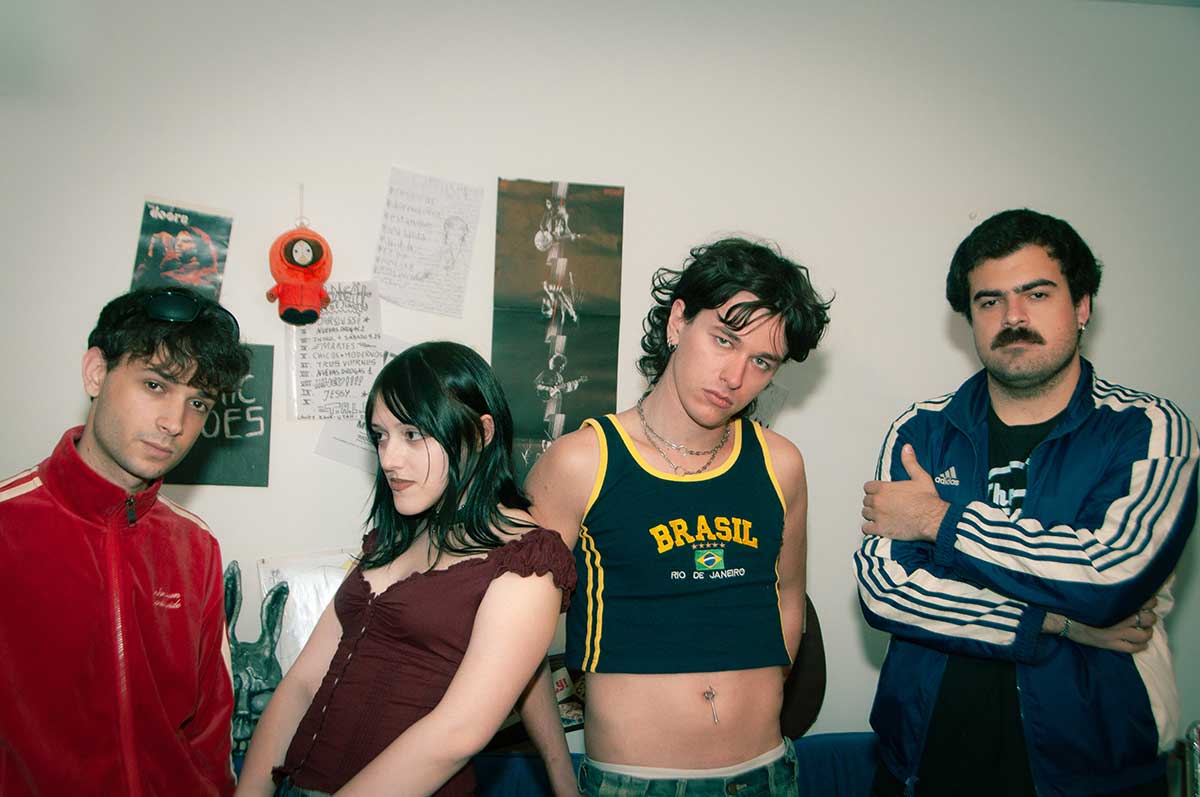
Parece hecho para este momento, pero podría haber existido siempre. Esa es la sensación que transmite Nada especial, el primer larga duración de 99dosmil, publicado en octubre pasado. Una conversación entre dos guitarras que se buscan y se esquivan: una lleva la melodía principal y la otra se distancia en punteos agudos, al mejor estilo […]
Ver más noticias en Indie Hoy.
En Dear Killer Nannies: criado por sicarios, el actor colombiano Rafael Zea interpreta a “El Dorado”, el mayor de los sicarios encargados de cuidar al hijo de Pablo Escobar. Lejos del cliché del criminal frío, Zea construye un personaje que combina brutalidad y ternura, una figura que protege, corrige y, al mismo tiempo, mata. En esta conversación, el actor habla sobre su proceso, la relación con los niños en el set y la responsabilidad de representar una historia tan cercana y dolorosa para el país.
Hay muchas series y películas sobre Pablo Escobar. ¿Cómo abordaste la construcción de tu personaje sin caer en referentes ya conocidos?
No utilicé referentes directos. Yo trabajo mucho desde el clown, no desde la comedia, sino como herramienta para encontrar cosas humanas. Aquí ya sabemos que son sicarios, eso ya está en el imaginario. Entonces decidí irme por otro lado. Mi personaje es el mayor de los “nannies”, así que quise volverlo más humano, casi maternal. Me convertí en una especie de tía para el niño, alguien que lo cuida, que lo corrige, que le habla desde una cultura muy paisa.
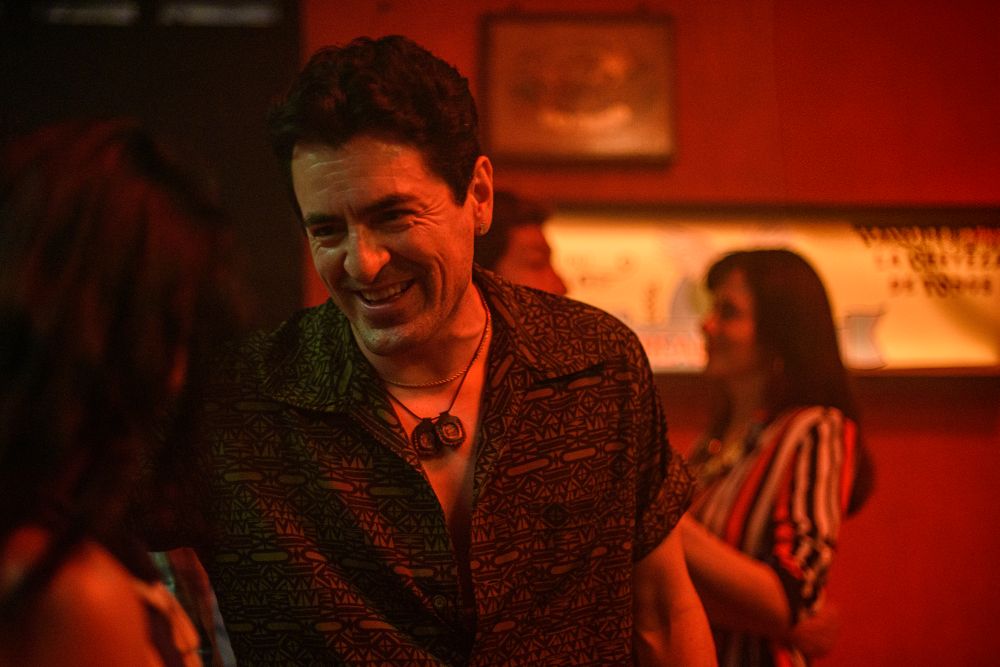
Tu personaje tiene esa dualidad entre lo afectivo y lo violento. ¿Qué hace distinto a “El Dorado” frente a los otros sicarios?
Es un tipo que no necesita demostrar nada. Los más jóvenes tienen que mostrar la pistola, la agresividad. Él no. Es más tranquilo, más cuidador. Le gusta que los demás estén bien, que coman, que se cuiden. Pero cuando le toca hacer su trabajo, lo hace sin dudar. Creo que esa mezcla es lo que lo diferencia. Es un personaje con arranques de cariño muy fuertes, pero también capaz de una violencia muy directa.
También te puede interesar:
¿Qué fue más desafiante: construir esa relación con el niño o representar a alguien formado dentro del sicariato?
Lo más difícil fue la parte del sicario. Yo no tengo referentes cercanos de eso, entonces hubo mucho trabajo con armas, con cómo se mueve alguien que lleva años en eso. La relación con el niño fue más natural. Él terminó viéndonos como sus cuidadores reales. De hecho, se generó algo muy bonito en el set: no éramos adultos con niños, éramos todos jugando.
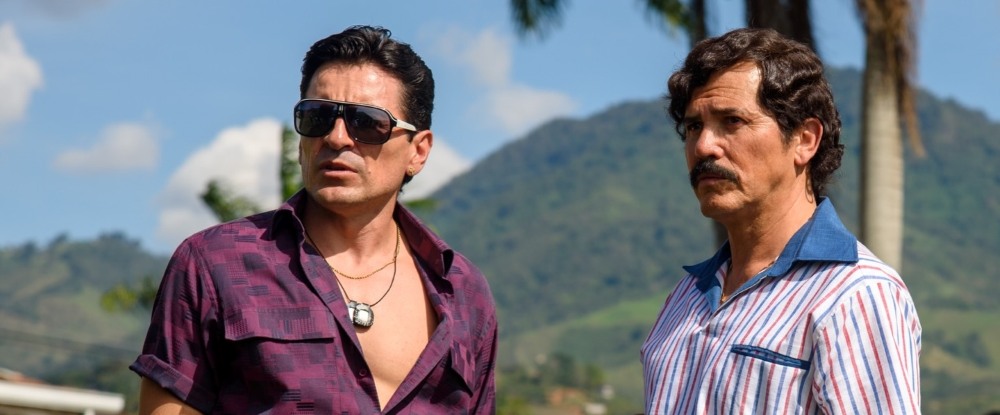
La serie está contada desde la mirada del hijo. ¿Eso influyó en tu forma de actuar?
Sí, pero también había una discusión ahí. Claro, es la mirada del niño, pero ese niño tiene que entender el mundo en el que está. Y nosotros somos el puente para eso. No podíamos suavizar todo, porque entonces la historia se volvía falsa. Había momentos donde el personaje tenía que ser duro, porque así era esa realidad.
Pablo Escobar aparece más como presencia que como protagonista. ¿Cómo impacta eso en tu personaje?
Todo gira alrededor de él, aunque no esté en escena. Es el punto de referencia. Las decisiones, los miedos, el respeto, todo pasa por lo que él representa. Nosotros no somos solo empleados, somos gente que cree en él, que está dispuesta a todo.
La serie tiene una recreación de época muy detallada. ¿Eso cambia tu trabajo como actor?
Totalmente. Es un regalo. Llegas al set y ya estás en los años 80 o 90. No tienes que imaginar tanto. Estuvimos en lugares reales, como la Hacienda Nápoles o el entorno del edificio Mónaco. Eso te atraviesa. No es lo mismo recrear que estar ahí.
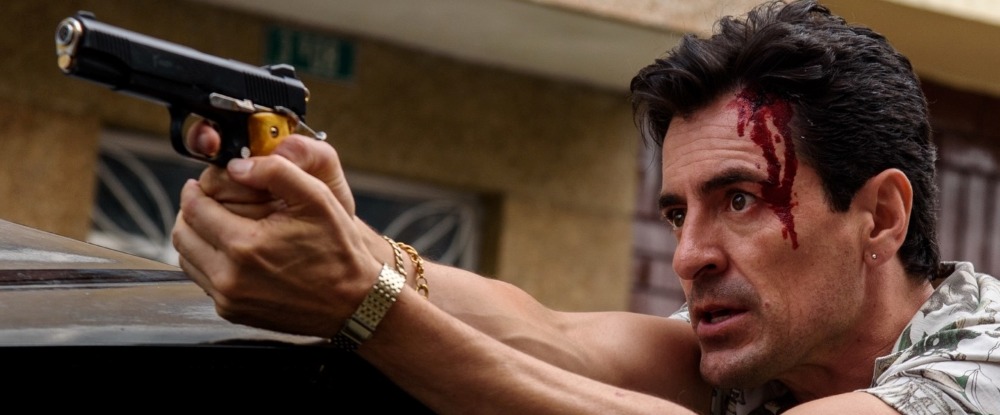
Tu personaje también funciona dentro de una jerarquía muy marcada. ¿Cómo trabajaste esa idea de poder?
Yo no quería hacerlo desde el macho alfa típico. Para mí, el liderazgo de “El Dorado” viene de la lealtad y de los años. No necesita imponerse todo el tiempo. Ya se ganó ese lugar. Es más bien alguien que cuida, que observa, que sabe cuándo actuar.
La serie aborda hechos reales y dolorosos. ¿Cómo asumes esa responsabilidad como actor?
Con mucho respeto. No es ficción pura. Hay gente que vivió esto y lo sigue viviendo. Nosotros hacíamos pequeños rituales antes de grabar, como encender una vela, para entrar en ese estado. La idea no es glorificar nada, es mostrarlo. Poner un espejo.
Después de este proyecto, ¿qué te queda?
Una reflexión sobre el poder. Sobre cómo puede llevar a la gente a hacer cosas absurdas y dolorosas. Eso lo pensaba mientras grabábamos, viendo las locaciones, las historias. Más que una conclusión, me dejó muchas preguntas.
The post Rafael Zea: “Si sabemos qué es un sicario, lo interesante está en encontrar su humanidad” appeared first on Rolling Stone en Español.
Con más de tres décadas dedicadas al cine, Gianfranco Rosi ha construido una obra que desafía las categorías tradicionales. Sus películas, aunque ancladas en lo real, evitan el lenguaje convencional del documental para acercarse a una experiencia más abierta, donde la observación, el tiempo y el fuera de campo juegan un papel central. En esta conversación, el director habla sobre su proceso creativo, su rechazo a las estructuras rígidas y la manera en que el sonido y la imagen construyen sentido en Pompeya: Bajo las nubes.
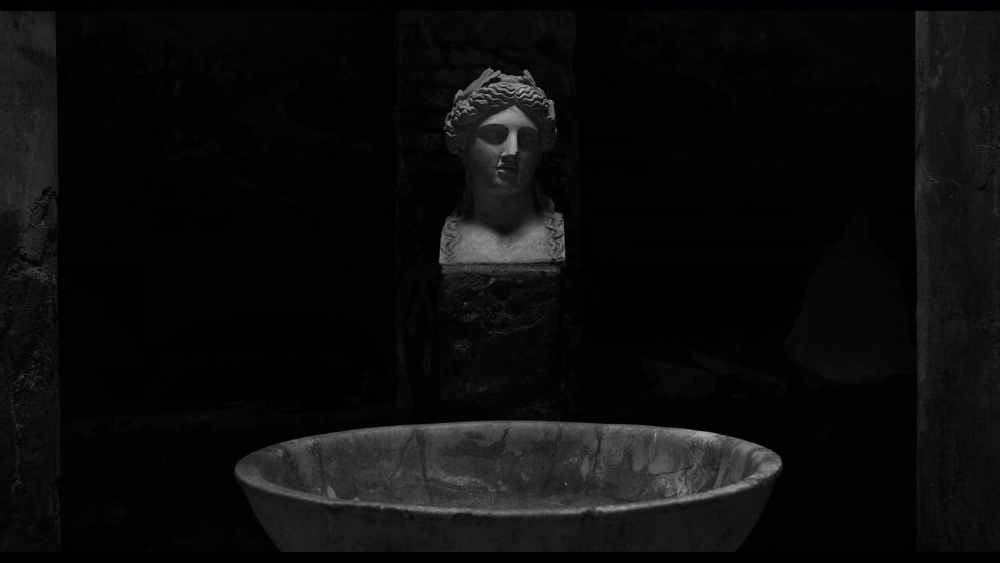
Llevas más de tres décadas haciendo cine a partir de la realidad. ¿Qué te sigue atrayendo de este tipo de trabajo?
Para mí no hay diferencia entre documental y ficción. Esa división no me interesa. Lo único importante es el cine. Nunca parto de un guion cerrado ni de una historia definida. Prefiero descubrirla con el tiempo, a través de la experiencia directa. Cada película la enfrento como si fuera la primera y la última. Me involucro durante años, viviendo en los lugares, formando parte de esa realidad. Es un proceso de inmersión total.
Esa idea de inmersión implica también una forma distinta de narrar.
Claro. Yo no escribo una historia para luego filmarla. No hago casting ni construyo personajes desde un escritorio. Me interesa encontrar la historia en el camino. Por eso necesito tiempo. El cine industrial no me interesa, porque todo está predeterminado. Yo necesito descubrir, improvisar, dejar que las cosas ocurran.
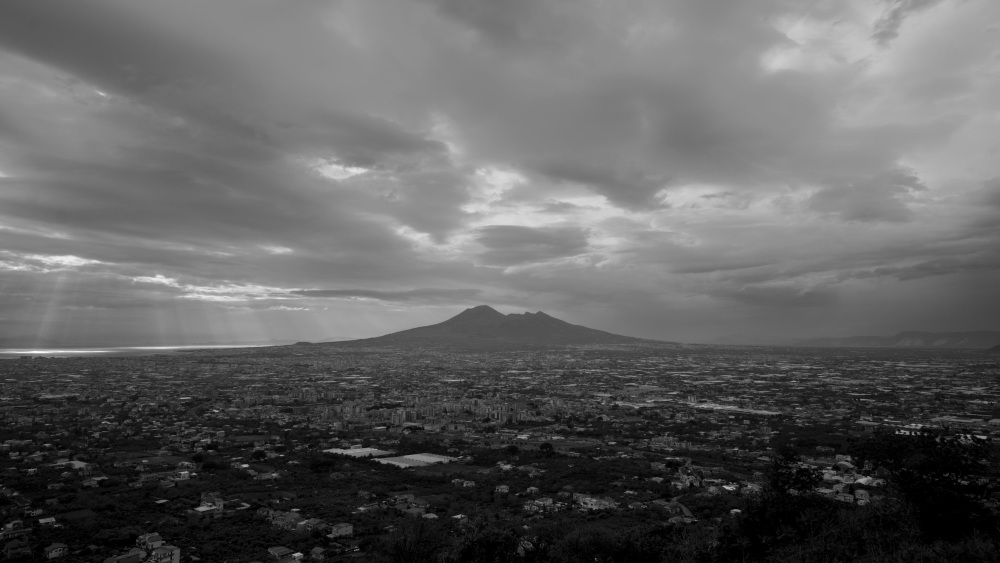
En tus películas hay una atención muy clara a lo que queda fuera del encuadre.
Eso es fundamental. A veces es más importante lo que no se muestra que lo que está en la imagen. El fuera de campo forma parte de la narración. Las historias que no filmas siguen ahí, dentro de la película. Eso lo entendí mejor cuando hablé con Bernardo Bertolucci. Él me dijo que en mis películas se sentía todo aquello que no estaba en pantalla. Y eso se volvió central en mi trabajo.
En Pompeya: Bajo las nubes, ese fuera de campo parece estar muy ligado al propio territorio.
Sí, porque Nápoles es así. Es una ciudad donde lo visible es solo una parte. Debajo hay otra realidad. El volcán mismo es eso: algo que está presente, aunque no siempre se vea. Me interesa trabajar con esa idea, con lo que está ahí pero no se muestra de forma directa.
El sonido tiene un peso muy particular en la película.
Para mí es esencial. Trabajo solo, así que dirección, cámara y sonido son parte de un mismo proceso. No puedo separar esas funciones. El sonido crea una dimensión que no está en la imagen. En esta película, por primera vez sentí la necesidad de incorporar música. Pero no como un acompañamiento tradicional, sino como una extensión del paisaje sonoro.
¿Cómo trabajaste esa dimensión sonora?
Quería que el sonido pareciera venir del volcán, como si todo surgiera desde su interior. El volcán es casi una entidad viva dentro de la película. Con el compositor Daniel Blumberg trabajamos desde esa idea. Grabamos sonidos, los transformamos, incluso registramos audio bajo el agua para crear una textura distinta. Todo eso aporta una sensación de suspensión, de tiempo detenido.
Tus películas suelen evitar explicaciones directas.
Porque no me interesa dar respuestas. Me interesa mostrar la complejidad. Hoy muchos documentales intentan explicar todo o tomar una posición clara entre lo bueno y lo malo. Eso empobrece el lenguaje del cine. Prefiero dejar espacio para que el espectador construya su propia interpretación. Ahí es donde la película cobra sentido.
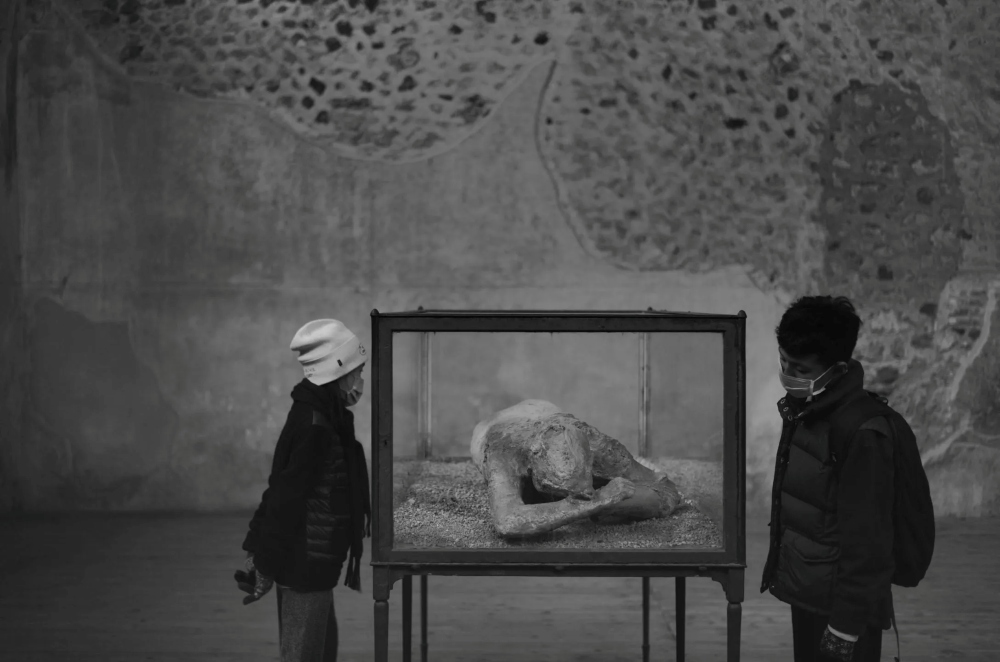
También has hablado de la importancia de que tus películas trasciendan el momento en que fueron filmadas.
Sí, eso es clave. No me interesa hacer películas que funcionen como noticias. Quiero que tengan una vida más larga, que sigan creciendo con el tiempo. El cine tiene que ir más allá del presente inmediato. Tiene que abrirse hacia algo que todavía no sabemos del todo.
¿Qué lugar ocupa entonces el cine documental hoy?
Tiene un potencial enorme, pero muchas veces se limita a estructuras muy rígidas. Creo que el reto es recuperar la libertad, volver a experimentar, encontrar nuevas formas. El cine no debería dar respuestas cerradas, sino abrir preguntas.
The post Gianfranco Rosi: “No hago documentales, hago cine” appeared first on Rolling Stone en Español.
Bryce Dessner, guitarrista de The National, ha desarrollado una gran carrera en la industria cinematográfica. El músico estadounidense radicado en París ha estado detrás de bandas sonoras para aclamadas películas, siendo algunas de las más reconocidas El Renacido de Alejandro G. Iñárritu, Los dos papas de Fernando Meirelles y Sing Sing de Greg Kwedar.
Además de trabajar junto a Nick Cave en el tema homónimo de Train Dreams, por el cual está nominado al Óscar, Dessner se ha centrado en componer la banda sonora de Flamingos: La vida después del meteorito. Dirigido por Lorenzo Hagerman, este documental retrata la supervivencia del flamenco caribeño en la península de Yucatán durante nueve años. Es un documental esperanzador que demuestra la resiliencia no solo de la especie, sino de la naturaleza misma frente a la adversidad y los cambios del entorno.
En conversación con ROLLING STONE en Español, Bryce Dessner nos habla de cómo vivió el proceso de creación de esta banda sonora, las diferencias entre trabajar en una película y hacerlo junto a The National, el profundo mensaje de Flamingos: La vida después del meteorito y mucho más.
Primero que nada, Bryce, ¿cómo te sumaste al largometraje y qué te llamó la atención de él?
Bueno, la mejor amiga de Lorenzo Hagerman, quien trágicamente falleció recientemente, Lynn Fainchtein, a quien quizás conozcan —es una legendaria supervisora musical mexicana y también una vieja amiga mía. Trabajó conmigo en un par de películas con Alejandro G. Iñárritu—, me escribió al respecto. Lynn Fainchtein y Lorenzo eran, creo, mejores amigos. Así que creo que ella fue, en gran medida, incluso productora de la película. Y fue un proceso bastante largo porque creo que tardó casi ocho años en hacerse.
¿Hubo algo en particular que te llamara la atención del proyecto?
Trabajo en muchas películas. Y a menudo son producciones enormes, incluso una película pequeña involucra a cientos de personas y grandes presupuestos. Incluso una película independiente puede parecer algo corporativa. Esta no.
Lorenzo dedicó muchísimo a esto, con mucho cuidado, estudiando, muy despacio. En cualquier momento, pensaba una y otra vez y hacía pequeñas iteraciones. Y es un trabajo difícil para el compositor porque hay mucha música ahí. Yo intenté dar lo mejor de mí y darle todo lo que pude, y terminó siendo un viaje realmente hermoso.
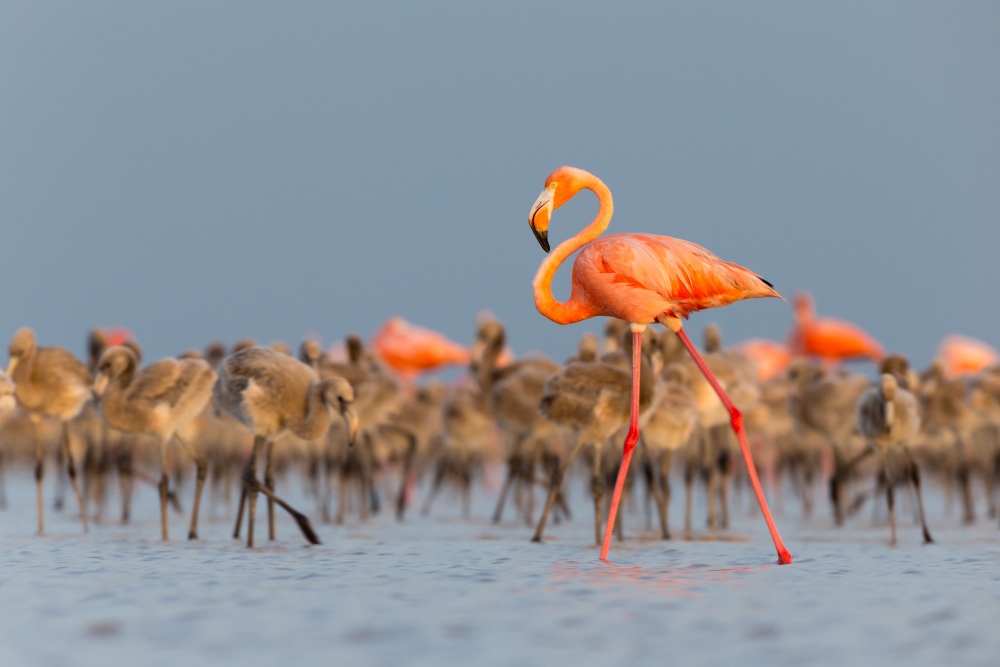
En esta película, Julieta Venegas tiene un papel clave como narradora. ¿Cómo era tu relación con ella antes de trabajar juntos en el largometraje?
Julieta Venegas es otra amiga íntima de Lynn Fainchtein, de quien soy fan. Y, por supuesto, conozco su música. No la conocía ni había trabajado con ella. Supongo que Lorenzo había estado pensando en quién podría ser la voz de la película. Al principio, era otra voz. Creo que incluso era la de Lorenzo. Y luego, cuando Julieta lo leyó, cobró vida. Fue una experiencia muy hermosa trabajar con ella. Ojalá algún día nos conozcamos en persona y trabajemos juntos de verdad.
¡Eso sería increíble! Sabiendo que ella es música al igual que tú, ¿habló contigo sobre la banda sonora de la película en algún momento?
No recibí ninguna nota directamente de ella. Pero creo que el solo hecho de saber que estaba involucrada fue genial para el proyecto y lo elevó todo. Sentí que la música era parte integral de toda la historia. Fue maravilloso que se uniera al proyecto.
Como lo dice su título, el largometraje tiene a los flamencos como protagonistas, ¿hubo algo que te cautivara de estos animales?
Un flamenco es una especie de dinosaurio prehistórico, pero también piensas en el flamenco —y quizás el pavo real también— como algo que nunca encaja. Siempre existe la pregunta, “¿Cómo lo creó la naturaleza?”. Se sienten muy humanos, en cierto modo, por la forma en que cuidan a sus crías. Creo que es este universo enrarecido y extraño en el que entras, pero que de alguna manera resulta extrañamente familiar. Es casi como una especie de Narnia, como si conocieras a C.S. Lewis, es como una especie de animal antropomórfico, como si fueran humanos.
Con la narrativa de la naturaleza y esta historia sobre la creación después del meteorito, hay una sensación de renacimiento y crecimiento. Creo que ahora mismo, en tiempos de conflicto, inestabilidad global y tanta estupidez, esta historia es realmente inspiradora. Y también refleja cómo la naturaleza encuentra la manera de salir adelante, ha sido testigo de la calamidad, la catástrofe y la destrucción humanas una y otra vez. Estamos poniendo en peligro nuestro planeta, pero la naturaleza también es poderosa. Hay algo en todo eso que resulta bastante sanador y hermoso en lo que trabajar.
Lynn y Lorenzo, que son, mis amigos mexicanos, me enviaron desde México un instrumento desde el principio del proceso, que es como una guitarra mexicana. La jarana. Aprendí a tocarla para la banda sonora de esta película y la usé bastante.
Como los flamingos no hablan en la película, la narrativa se construye alrededor de lo que Julieta Venegas está siendo y de tu música. ¿Con esto en mente, sientes que en este proyecto la banda sonora tiene un peso mucho más grande que en otras producciones en las que has trabajado?
Hay mucha música. A menudo, una película con mucha música puede tener 50 minutos de ella, pero esta probablemente tiene una hora y media o algo así. Es música casi rítmica. Así que juega un papel importante. Pienso en ello un poco, casi como escribir música para ballet, para danza. E incluso hay momentos de baile. Hay un momento en el que alzan el vuelo y hay una pieza musical mucho más activa, con percusión, y es casi como un ballet.
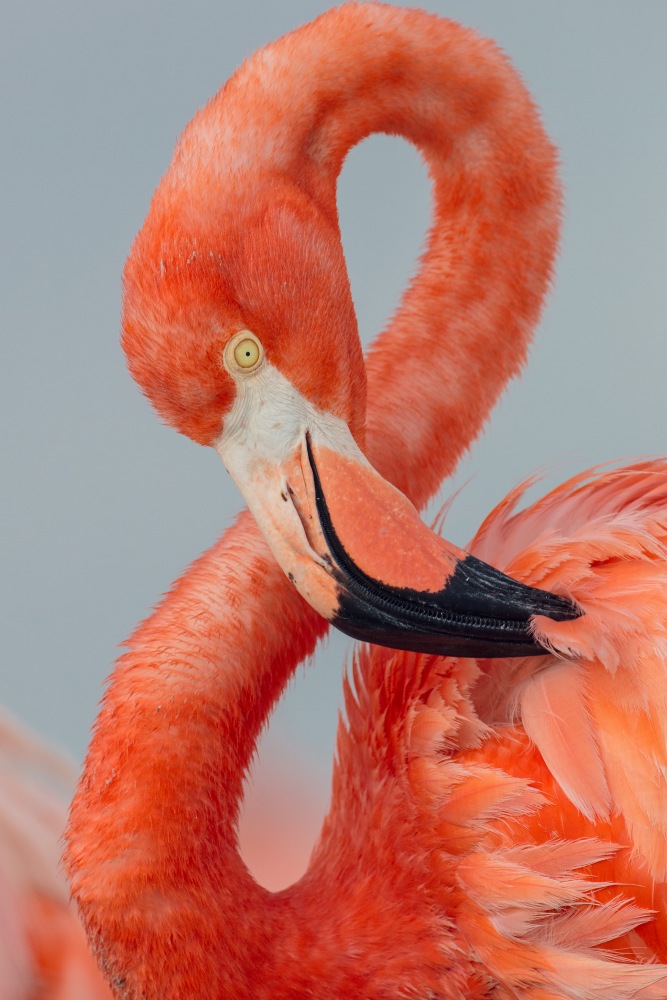
En ese momento específico, tu música se escucha al mismo tiempo que los sonidos de los flamencos, ¿sentiste que los usaste como instrumento?
Siempre piensas en la frecuencia y el timbre y un instrumento tiene un tono y una altura. Los pájaros son algunos de mis compositores favoritos. Olivier Messiaen fue un compositor francés del siglo XX y estaba obsesionado con el sonido de los pájaros. Así que escribía todas las melodías. Soy sensible a ello. Me gusta escuchar las notas que cantan y tratar de que la música interactúe.
¿Empezaste a buscar estos elementos desde que te mudaste a Europa? ¿Cómo impactó este cambio en tu vida a la forma en la que compones?
Llevo viviendo en Europa casi 15 años y ha sido un cambio positivo desde Nueva York. Trabajo mucho con orquestas y con una composición más profunda. Incluso el mundo del cine es bastante activo aquí y bastante serio en Francia. Ha sido un cambio positivo. Hay orquestas realmente excelentes y tengo tiempo y espacio para concentrarme en las notas y no dejarme llevar por el ritmo estadounidense, que siempre es demasiado apresurado y ocupado. Así que encuentro que aquí hay un poco más de calma.
¿Eso se refleja únicamente en las música que componen solo o también en lo que hace junto a The National?
The National es diferente, creo, porque es casi como volver a la infancia o algo así. Es como volver a Ohio, ni siquiera a Nueva York. Es como este otro mundo en el que vivimos. Y es como reconectarnos con las raíces de donde venimos. Dicho esto, creo que ha sido bueno para mí tener diferentes perspectivas.
¿Tu mentalidad cambia de alguna forma cuando estás con la banda?
La mentalidad no cambia. Soy la misma persona. Se trata de colaborar con la banda. Hay que dejar espacio para los demás; si trabajo solo, necesito terminar la idea yo mismo. Pero con The National la banda intercambia ideas y nos permitimos interactuar.
También hago muchas colaboraciones en el cine o incluso en la música orquestal, especialmente con Lorenzo [Haggerman]. De hecho, Lorenzo es el compositor de la película. O sea, ayudó a darle forma a cada pieza y nos dio su opinión, y su narrativa visual realmente creó la música. Es una colaboración diferente. Y creo que disfruto la película en parte por los años que llevo tocando en la banda. Me ha hecho un mejor colaborador.
En películas como esta, la música es sumamente importante, ya que pueden ser pesadas por sus tomas contemplativas y largas. ¿Sentiste algún tipo de presión sabiendo el rol que jugaba tu arte en esta producción?
Lo encuentro fascinante. Realmente no me preocupaba eso. He trabajado en muchas películas de vanguardia y proyectos que atraen al público. Y creo que es positivo. Diría que era importante tener buen ritmo en la música y la melodía. Era consciente de que a veces los documentales, sobre todo los de naturaleza, pueden ser simplemente una especie de paisaje sonoro. Y yo no quería hacer eso. No quería simplemente hacer música new age fácil de escuchar. Intenté hacer música con carácter e intensidad.
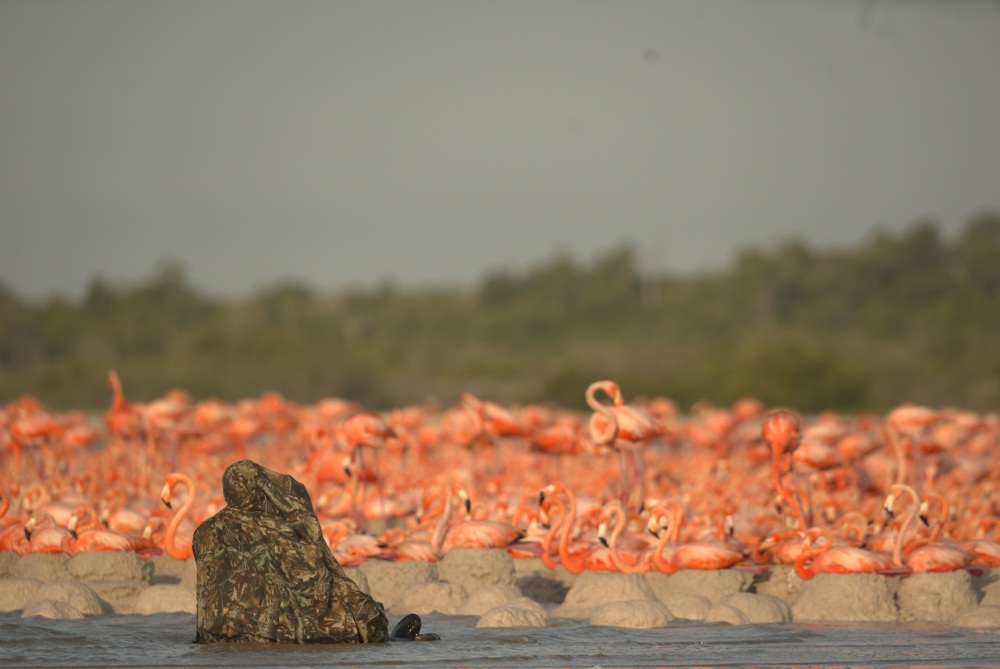
¿Qué es lo que más disfrutas de trabajar en este tipo de películas en las que tienes más libertad de experimentar con la música?
Disfruto de diferentes experiencias. Hay una película llamada Train Dreams, que está nominada al Óscar a Mejor Canción Original. Y, en cierto modo, es similar, con muchas tomas en la naturaleza y muy poco diálogo. Es como interactuar con el entorno natural. Hay mucha música; son proyectos realmente ideales para mí. Incluso trabajar en El Renacido con Alejandro [G. Iñárritu] fue una experiencia muy inmersiva en cuanto al mundo natural y el diseño de sonido.
Me sentí muy honrado de formar parte de este proyecto, ya que fue muy personal para Lorenzo y Lynn. Fue como si me hubieran invitado a esta hermosa historia y a trabajar con Ajo y Julieta.
Por último, el último álbum de The National llegó en 2023, pero al mismo tiempo ustedes estaban de gira y tú estabas desarrollando música para diversos proyectos audiovisuales. ¿De qué forma encuentras tiempo y espacio para hacer todo esto en el mundo actual?
No es fácil. A veces parece que estamos más ocupados de lo que estamos porque el álbum sale y luego nos vamos de gira, pero, siempre estoy trabajando bastante. La gira nos da mucho tiempo. Ahora todos tenemos familia y cuando estamos en casa también utilizo tiempo en cosas como recoger a mi hijo, por ejemplo. De gira, puedo trabajar hasta la medianoche. Solo estoy en el escenario dos horas al día y el resto del tiempo estoy libre. Así que puedo hacer mucho.
¡Muchas gracias, Bryce! ¿Hay algo que te gustaría agregar?
La cinematografía de esta película es absolutamente impresionante. Creo que hay una historia detrás, casi una alegoría, sobre la empatía, el poder y la belleza de la naturaleza y una especie de reflexión sobre el ciclo de la vida. Y creo que hay muchas cosas que aprender de esta película. Está hecha con muchísimo cuidado, atención y detalle. Creo que la gente debería ir a verla por esas razones.
The post Bryce Dessner: “Estamos poniendo en peligro nuestro planeta” appeared first on Rolling Stone en Español.