



FIFA and football; the NFL and football. The two different sports that share a name now share another thing – a star-studded, hyped-up halftime show.
Halftime shows have been part of the Super Bowl since 1967, its inaugural year, but 2026 marks the first major halftime show at the World Cup, which has been going on since 1930.
The change certainly has a little something to do with the fact that the final FIFA World Cup showdown takes place in the United States this year (New Jersey’s MetLife Stadium, to be exact). And Lord knows that Americans love a halftime show. Each year, the Super Bowl Halftime Show is reliably the most-watched single broadcast in the U.S., outpacing the second-most-watched broadcast by millions.
So: was the FIFA World Cup Halftime Show on Sunday (July 19) basically the Super Bowl Halftime Show during a soccer game, or did it feel like a fresh, distinct event?
Things certainly felt different from the start. Not to state the obvious, but the Super Bowl opens with three slow-building ballads: “The Star-Spangled Banner,” part of the Super Bowl from the start; “America the Beautiful,” sung annually since 2009 (though it was also performed in 1977, the sole year the National Anthem wasn’t performed at a Super Bowl); and “Lift Every Voice and Sing,” the Black National Anthem, sung at Super Bowls since 2021. These are emotionally impactful, vocally demanding songs that bring out ace singers, but not spectacle: people have their hands over their hearts during the National Anthem, they’re not doing choreo.
The FIFA World Cup, however, opened with pure spectacle: A Busby Berkeley-esque musical number called “Champions” by streamer IShowSpeed that involved dancers and musicians traipsing around an on-field image of the Empire State Building, augmented by bird’s-eye shots of a soccer ball stage. (Helpfully, the song made a point to let people know that “this is the World Cup” no fewer than 27 times – just in case anyone was confused.)
After that, Post Malone – decked out in his country duds but back to rapping – debuted a new song, “Chrome Heartbreaker,” and brought out Swae Lee for their Billboard Hot 100 No. 1 “Sunflower.” This “closing ceremony” performance was less spectacle than you’d get from a Super Bowl Halftime Show, yet more than you’d see in a pregame Super Bowl performance. For any Americans tuning into a World Cup for the first time, it let them know the vibes would be different.
More than an hour later, Robbie Williams, Nicole Scherzinger and Laura Pausini teamed up to blend voices on “Desire (Official FIFA Anthem)” while flags from dozens of countries waved around them. It was an emotionally charged performance, akin to what you’d get before an NFL kickoff, but it honestly felt more like something you’d see during the Olympics — it felt international, not national. (Which makes sense given that it was, as IShowSpeed repeatedly reminded us, the World Cup.)
Jennifer Hudson’s knockout rendition of “The Star-Spangled Banner,” however, felt very Super Bowl – clearly an olive branch to American viewers accustomed to years of hearing the U.S. National Anthem before each and every sports game. Even so, the fact that two additional national anthems were performed before the match – Spain’s “Marcha Real” by a brass band (it has no lyrics) and Argentina’s national anthem, sung by Maria Becerra – reminded everyone that even though the game was taking place in America, this was all about Spain and Argentina.
But what about the actual FIFA World Cup Halftime Show, produced by Global Citizen, featuring Madonna, BTS, Justin Bieber, Shakira and Burna Boy, the New York Philharmonic, the Simón Bolívar Symphony Orchestra and The Muppets’ Electric Mayhem? Two of the aforementioned artists have headlined the Super Bowl Halftime Show before (Madonna in 2012, Shakira in 2020 alongside Jennifer Lopez) while Chris Martin, the World Cup Halftime Show curator, headlined the 2016 halftime show as part of Coldplay. After an hour of soccer, was that 11-minute performance a taste of the familiar dropped into a new context?
Taken on their own, individual performances certainly had shades of Super Bowl: Madonna’s madcap musical medley (“Music,” “Disco Inferno” and “Danceteria”) on a dune buggy; Shakira’s hip-swiveling version of “Dai Dai” with Burna Boy on the field; and BTS’ pyro-laden performance of “Dynamite” all could have existed in the context of a Super Bowl. And there’s nothing wrong with that. After all, there’s a reason people keep tuning into the Super Bowl Halftime Show year after year – it’s entertaining! And those artists absolutely understood the assignment.
But for every moment that felt Super Bowl-esque, there was another one occupying a much different space from modern halftime shows.
Classical music maestro Gustavo Dudamel, wearing a pinstriped suit with his name and number on the back, joined the Muppets’ Electric Mayhem and the New York Philharmonic to sound the battle cry of “Seven Nation Army.” Watching Animal pound out the White Stripes’ primal percussion while professional violin players grunted and pulled their instruments back and forth like rowers (perhaps they’d all just come from a screening of The Odyssey) was an unexpected delight, occupying that sublime space between brilliant and silly (brilly, if you will). It was the kind of absurd cross-pollination Super Bowl audiences were used to during halftime shows of the 20th century, back when Ella Fitzgerald and Carol Channing shared a bill (1972) or James Brown joined the Blues Brothers (1997).
Similarly, how about Jason Sudeikis and Brendan Hunt as Ted Lasso and Coach Beard hitting the field to bring out Justin Bieber? It’s hard to imagine a modern Super Bowl halftime taking a breather for a chill comedic interlude — one that worked because it didn’t try too hard. (Yes, Kendrick Lamar did have Samuel L. Jackson as Uncle Sam in 2025, but Sam and Sudeikis give very different energy, to say the least.)
As for Bieber, if the NFL got one of the world’s biggest pop stars, it’s difficult to imagine them letting him do a somber acoustic performance of “Everything Hallelujah” while casually strolling around the field, then walk off without singing a hint of any of his Billboard chart smashes. JB’s quiet moment helped give the World Cup halftime a flavor of its own too.
As with the Dudamel-and-Muppets opener, the finale felt more 20th century Super Bowl than 21st century Super Bowl. Staten Island’s PS22 Chorus, Emmanuel Kelly, Coldplay and the Muppets debuted a brand-new Coldplay song, “We Dance,” written specifically for the occasion. It was all about love, peace, bright colors and global togetherness. Puppets and children providing a big, mushy finale is entirely conceivable for a halftime show from the ‘80s – less so these days. And that’s refreshing.
I’m not saying the NFL needs to turn back the clock to the low-stakes, schlocky halftime shows of 50 years ago. Most of us would rather watch Bad Bunny than “Elvis Presto,” the magic trick-pulling Elvis impersonator who performed at the 1989 Super Bowl. But it’s fun to watch a halftime show and have no clue what could possibly happen next. Muppets and the New York Philharmonic rocking out? There’s something inviting about a spectacle that isn’t afraid to get silly.
So, the TL;DR final verdict: The FIFA World Cup Halftime Show felt markedly different from modern Super Bowl Halftime Shows – but a lot like an amalgamation of Super Bowls over the decades. And if there’s one lesson for the Super Bowl after watching this, it’s simple: more Muppets.
What was the last song performed during the 2026 FIFA World Cup Halftime Show? It was the live premiere of “We Dance,” an original song penned by Coldplay for the mid-game, 11-minute live music medley during the Spain vs. Argentina match that also featured performances from Madonna, BTS, Justin Bieber, Shakira with Burna Boy and more.
Related


The World Cup field at New York New Jersey Stadium (otherwise known as MetLife Stadium) in East Rutherford, N.J., was abuzz with energy by the final number of Sunday’s (July 19) halftime show, and filled with quite a sweeping ensemble of performers.
Coldplay’s Chris Martin, curator of the first-ever World Cup halftime event, led his band’s new tune “We Dance” surrounded by children — the PS22 Chorus — and with special appearances from The Muppets (who’d also popped in earlier, during a symphony performance of “Seven Nation Army”) and Emmanuel Kelly. Shakira, who’d just sang the official World Cup song “Dai Dai” with Burna Boy, also joined in on the fun, as did her fellow halftime show headliners.
Large screen displays encouraged the audience to visit believeinlove.org, a new initiative launched by Global Citizen today to inspire people all over the world to participate in small acts of love to help “defeat poverty and defend the planet.”
Officially titled the FIFA World Cup 2026 Topps Final Halftime Show, the game’s halftime entertainment featured more than 350 performers all together. The music event was created as part of a partnership between FIFA and Global Citizen, produced by Global Citizen with Live Nation and Done + Dusted, and aimed to improve access to football and education for children through the FIFA Global Citizen Education Fund. The fund has to date surpassed $60 million raised for children’s education worldwide.
Watch the full 2026 FIFA World Cup Final Halftime show, uploaded to YouTube by FOX after the network broadcast the performances, below.

BTS brought their explosive energy to the 2026 FIFA World Cup final halftime show on Sunday (July 19) for a dynamic performance of their 2020 smash hit “Dynamite.”
As the second halftime headliners at New York New Jersey Stadium (the rebranded MetLife Stadium in East Rutherford, New Jersey), BTS hit the pitch wearing coordinated red, white and black outfits. It wasn’t announced ahead of time what the South Korean septet would perform, and they went with their very first Billboard Hot 100 chart-topper “Dynamite,” which spent three weeks at No. 1 in 2020; it made sense to go with their first U.S. No. 1 as they performed on a global stage in the American stadium.
Related


BTS hit the field after Madonna and were followed by Justin Bieber and then finally Shakira (featuring Burna Boy) for their Global 200-topping 2026 World Cup anthem “Dai Dai.” All four headliners returned to the field for “We Dance,” an original song written by Coldplay for the show and performed by the Chris Martin-led band with New York’s PS22 Chorus and the Muppets.
Produced by Global Citizen and curated by Martin, the halftime show also included conductor Gustavo Dudamel, the New York Philharmonic and the Simón Bolívar Symphony Orchestra of Venezuela, Bijan Mortazavi and Emmanuel Kelly, as well as surprise appearances by soccer superstars Ronaldo and Ronaldinho and Jason Sudeikis and Brendan Hunt as Ted Lasso and Coach Beard.
“We set out with a bold ambition: to bring together the world’s greatest artists for what would be the most-watched halftime show in history,” said Hugh Evans, co-founder and CEO of Global Citizen. “I hope audiences around the world were massively entertained and inspired, and I hope they felt the message of unity and love at its core. Above all else, I hope millions of kids around the world receive access to education for years to come. I look forward to meeting a young person years from now whose life was transformed because the world came together to invest in the FIFA Global Citizen Education Fund.”
As of Sunday, the FIFA Global Citizen Education Fund has surpassed $60 million raised for children’s education worldwide.
BTS are currently on their ARIRANG World Tour, which resumes next month at the very stadium they played Sunday night, Aug. 1 and 2 at MetLife Stadium.
The 2026 FIFA World Cup Final halftime show did exactly what FIFA hoped and exactly what soccer purists feared: It turned the most sacred match in the sport into an 11-and-a-half-minute pop fever dream.
Staged Sunday (July 19) at New York New Jersey Stadium (the rebranded MetLife Stadium in East Rutherford, New Jersey) during the Spain-Argentina final, the first-ever halftime spectacle in the championship match moved with the logic of a playlist on shuffle and the pace of a caffeine rush, squeezing Madonna, BTS, Justin Bieber, Shakira, Burna Boy, Gustavo Dudamel, a children’s chorus, the Muppets, Coldplay’s Chris Martiin, and a sky full of colorful fireworks into a blink-and-you-missed-it production that still somehow felt gigantic. If the challenge was making every second count, the show’s greatest success was understanding that subtlety had no place here.
Madonna kicked things off in gloriously extra fashion, rolling in with DJ Stuart Price behind her while Brazilian legends Ronaldo and Ronaldinho appeared in a jeep with a license plate that read “Maestro,” because of course they did. From there, the show lurched — thrillingly, and at times hilariously — into Gustavo Dudamel leading players from the New York Philharmonic and the Simón Bolívar Symphony Orchestra of Venezuela through a dramatic take on The White Stripes’ “Seven Nation Army,” complete with flags, strings, color and Muppets in the mix.
BTS followed in matching red, motorcycle-inspired looks for a turbocharged “Dynamite,” before Jason Sudeikis, slipping back into Ted Lasso mode, introduced a notably subdued Justin Bieber for an acoustic “Everything Hallelujah.”
Then came the halftime show’s most natural stadium-pop peak: Shakira and Burna Boy tearing into the Billboard Global 200 chart-topper “Dai Dai,” backed by Ghetto Kids dancing. By the time the PS22 Chorus, Chris Martin, Kermit, Miss Piggy and the rest of the cast closed on a giant “LOVE” tableau with fireworks overhead, the whole thing felt slightly unhinged, deeply overstuffed and undeniably memorable.
Here are the biggest highlights from each performance.
James “Jim” Gilstrap, the sonorous tenor heard on classics such as Stevie Wonder’s “You Are the Sunshine of My Life” and as the co-lead on the television series theme song Good Times, has died. Gilstrap passed away of natural causes in Los Angeles on July 18. He was 79 years old.
In a career that spanned more than five decades, Gilstrap crafted a sterling reputation as one of the music industry’s most versatile and in-demand session vocalists. He also charted a pair of R&B hits as a solo artist in 1975: “Swing Your Daddy” (No. 10 in the U.S.; No. 4 in the U.K.) and “I’m on Fire” (No. 20) — both featured on his Chelsea Records debut studio album, Swing Your Daddy. A year later, Gilstrap released a second studio album, Love Talk.
Related


“To the world, Jim Gilstrap was a legendary voice. To us, he was simply Uncle James — a beloved husband, uncle, mentor and friend,” begins a statement emailed to Billboard by Gilstrap’s nephew and the family’s spokesperson, Geoffrey “Geoff Gil” Gilstrap.
The statement continues in part, “No matter how far his incredible talent took him, he never forgot his roots, his family or the values that shaped him. As kids, all of us nieces and nephews proudly bragged to classmates that our Uncle Jim was the voice behind the ‘temporary layoffs’ line from Good Times. Then we’d remind them that he also sang on ‘You Are the Sunshine of My Life.’”
Born Nov. 10, 1946 in Texas, Gilstrap — following a stint in the military and work with other early music groups — became a featured vocalist with Stevie Wonder’s backing band and vocal group Wonderlove in the early ‘70s. It’s Gilstrap singing the opening lines on the Grammy Award-winning “You Are the Sunshine of My Life” from the Talking Book album. Gilstrap also worked on other seminal Wonder albums during this fertile chapter that legend’s career including Innervisions and Fulfillingness’ First Finale.
In addition to his aforementioned solo foray and contribution to the Good Times theme song in 1974, Gilstrap lent his virtuoso tenor to host of projects by a diverse array of stars. Among them: Quincy Jones, Michael Jackson, Aretha Franklin, Whitney Houston, Bill Withers, Luther Vandross, Kenny Loggins, Dolly Parton, Stanley Clarke and Boz Scaggs.
“Beyond the music, we’ll remember Jim’s kindness, humility, humor, generosity and, of course, his homemade sweet potato pies that brought our family together. As we celebrate Uncle Jim’s remarkable life, we can’t help but thank God for those ‘Good Times’ … and how lucky we were to have him,” says Gilstrap’s nephew Geoff Gil.
The last surviving member of 10 siblings, Gilstrap is survived by his wife Gloria as well as children and grandchildren. Memorial arrangements are pending.
Future achieves his 12th No. 1 album on the Billboard 200 chart as his latest studio release, The Real Me, debuts atop the July 25-dated list. With a dozen leaders, Future now solely stands as the rap act with the third-most No. 1 albums on the Billboard 200 chart.
Among all acts with the most No. 1s, Future pushes ahead of Eminem (with 11), while the only acts with more No. 1s are The Beatles (19), Drake, Taylor Swift (both with 15) and JAY-Z (14).
The Real Me launches with 131,000 equivalent album units earned in the United States in the week ending July 16, according to Luminate, with the lion’s share of that sum driven by streaming activity.
The Real Me was announced on June 15, with its release date of July 9 shared 10 days later. It’s lead single, “Radio,” dropped on June 26 and has hit the top 25 on both Hot Rap Songs and Hot R&B/Hip-Hop Songs. The new set is the hip-hop star’s first project since his pair of No. 1 albums with Metro Boomin in 2024: We Don’t Trust You and We Still Don’t Trust You.
Also in the top 10 of the latest Billboard 200 chart, The Rolling Stones extend their record for the most top 10s as Foreign Tongues debuts at No. 7, while the Heated Rivalry soundtrack skates in at No. 9 after its release on CD and vinyl.
The Billboard 200 chart ranks the most popular albums of the week in the U.S. based on multi-metric consumption as measured in equivalent album units, compiled by Luminate. Units comprise album sales, track equivalent albums (TEA) and streaming equivalent albums (SEA). Each unit equals one album sale, or 10 individual tracks sold from an album, or 2,500 ad-supported or 1,000 paid/subscription on-demand official audio and video streams generated by songs from an album. The new July 25, 2026-dated chart will be posted in full on Billboard‘s website on July 21. For all chart news, follow @billboard and @billboardcharts on both X and Instagram.
Of The Real Me’s 131,000 equivalent album units earned in the tracking week, SEA units comprise 118,000 (equaling 120.29 million on-demand official streams of the set’s songs — it debuts at No. 1 on Top Streaming Albums), album sales comprise 13,000 (it debuts at No. 9 on Top Album Sales) and TEA units comprise a negligible sum. The Real Me was initially released as a standard widely available 11-track download edition, a 13-track vinyl (across four variants, including two signed editions), a 21-track CD (two editions, including a signed version) and a 22-track download and streaming edition.
Five former No. 1s follow Future on the Billboard 200. Olivia Rodrigo’s you seem pretty sad for a girl so in love is a non-mover at No. 2 (96,000 equivalent album units earned, down 7%); Morgan Wallen’s I’m the Problem is up one to No. 3 (73,000, down 2%); Ella Langley’s Dandelion is down a spot to No. 4 (nearly 73,000, down 4%); Noah Kahan’s The Great Divide steps 6-5 (67,000, up 8%); and Drake’s ICEMAN falls 5-6 (61,000, down 10%).
The Rolling Stones extend their record for the most top 10s on the Billboard 200 albums chart as the band’s latest studio project, Foreign Tongues, debuts at No. 7, marking the legendary act’s 39th top 10. It starts with 53,000 equivalent album units earned. Of that sum, album sales comprise 48,500 (it’s No. 1 on Top Album Sales), SEA units comprise 4,000 (equaling 4.48 million on-demand official streams of the set’s songs) and TEA units comprise a negligible sum. The set’s first-week sales were bolstered by its availability across more than a dozen vinyl variants, four CD editions, two download editions and one cassette.
Foreign Tongues follows the Stones’ last new studio set, Hackney Diamonds, which debuted and peaked at No. 3 in 2023. The new album was preceded the radio-promoted single “In the Stars,” which has reached No. 14 on the Adult Alternative Airplay chart.
After the Stones, Barbra Streisand ranks second with 34 Billboard 200 top 10s, followed by Frank Sinatra with 33.
Michael Jackson’s chart-topping Thriller is a non-mover on the latest Billboard 200, holding at No. 8 with 41,000 equivalent album units (down 3%).
The soundtrack to the hit TV series Heated Rivalry debuts at No. 9 following the release of its CD and vinyl editions on July 9. It debuts with 41,000 equivalent album units earned (all in album sales; it debuts at No. 2 on Top Album Sales).
Heated Rivalry marks the first soundtrack from a TV series to debut in the Billboard 200 top 10 in more than a decade. The last was the season-one soundtrack to Fox’s Empire in 2015, which debuted at No. 1. Since Empire, the only other TV series soundtrack to reach the top 10 was the season-two soundtrack of Prime Video’s animated hit Hazbin Hotel, which peaked at No. 8, after debuting at No. 70 a week earlier, in 2025.
Heated Rivalry premiered on Canadian streamer Crave on Nov. 28, 2025, and debuted the same day in the United States on HBO Max. Its six-episode first season concluded on Dec. 26. The show has been renewed for a second season.
The soundtrack was issued physically on two vinyl variants and a two-CD set. The vinyl releases contain songs featured in the show (including t.A.T.u.’s “All the Things She Said,” Wolf Parade’s “I’ll Believe in Anything” and Feist’s “My Moon My Man”), along with highlights of Peter Peter’s original score for the series. The CD edition expands the tracklist to include Peter Peter’s full score alongside the songs.
Closing out the top 10 of the latest Billboard 200 is Morgan Wallen’s former leader One Thing at a Time, rising 11-10 with 37,000 equivalent album units earned (down 2%).
Luminate, the independent data provider to the Billboard charts, completes a thorough review of all data submissions used in compiling the weekly chart rankings. Luminate reviews and authenticates data. In partnership with Billboard, data deemed suspicious or unverifiable is removed, using established criteria, before final chart calculations are made and published.
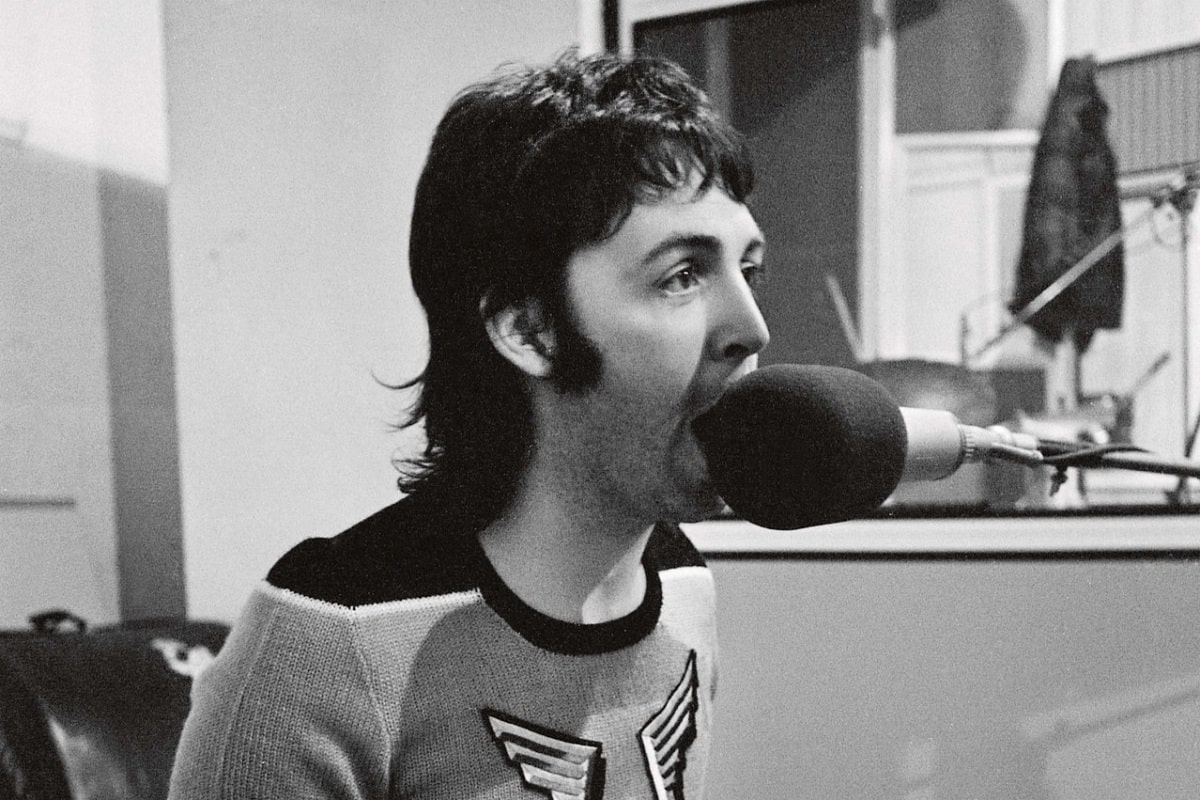
A finales de los años 70, Paul McCartney intentó reinventarse. Por ello, Wings, la banda que había liderado durante casi una década, necesitaba encontrar un nuevo rumbo tras el lanzamiento de su álbum de soft rock London Town en 1978. Macca quería acercarse al sonido más crudo que el punk y el new wave habían […]
Ver más noticias en Indie Hoy.
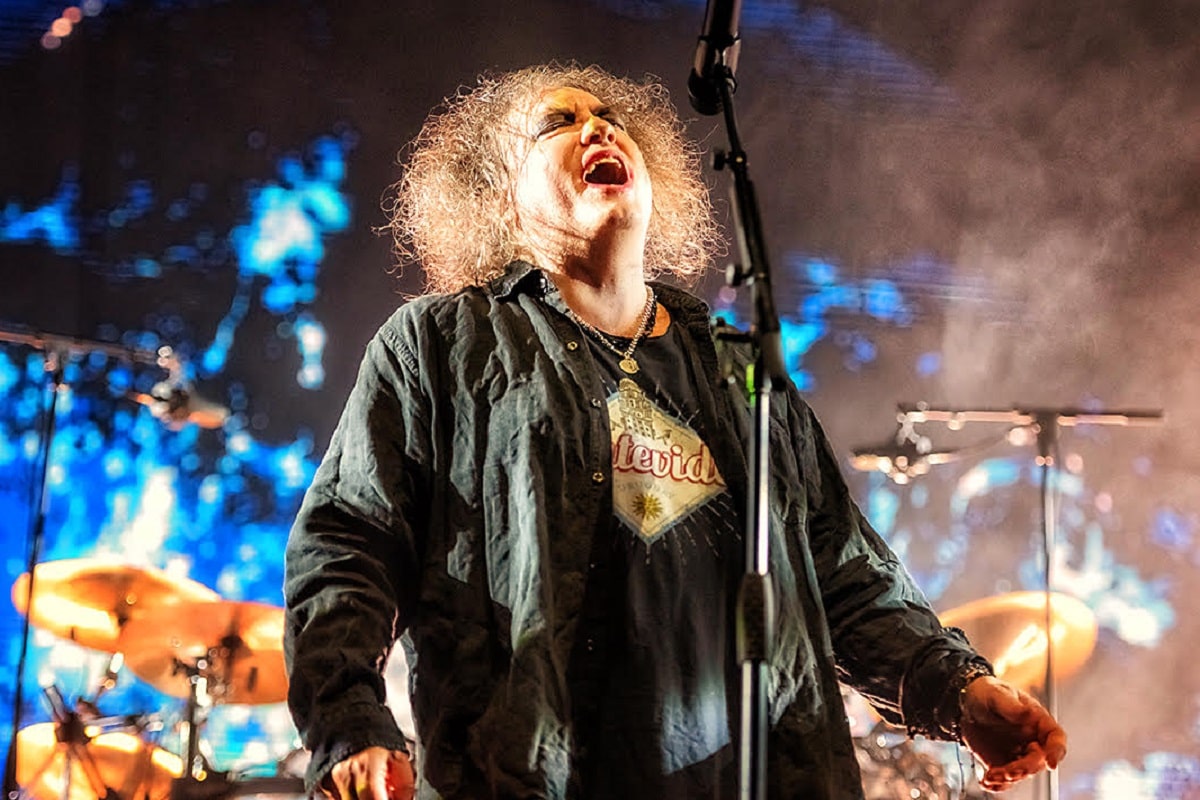
Robert Smith siempre fue un lector voraz. El músico, nacido en Blackpool, Lancashire, construyó buena parte del universo lírico de The Cure sobre una base literaria que incluía a autores de la talla de Albert Camus, Franz Kafka y John Milton. Sin embargo, entre todos los libros que lo marcaron, hubo uno que lo obsesionó […]
Ver más noticias en Indie Hoy.
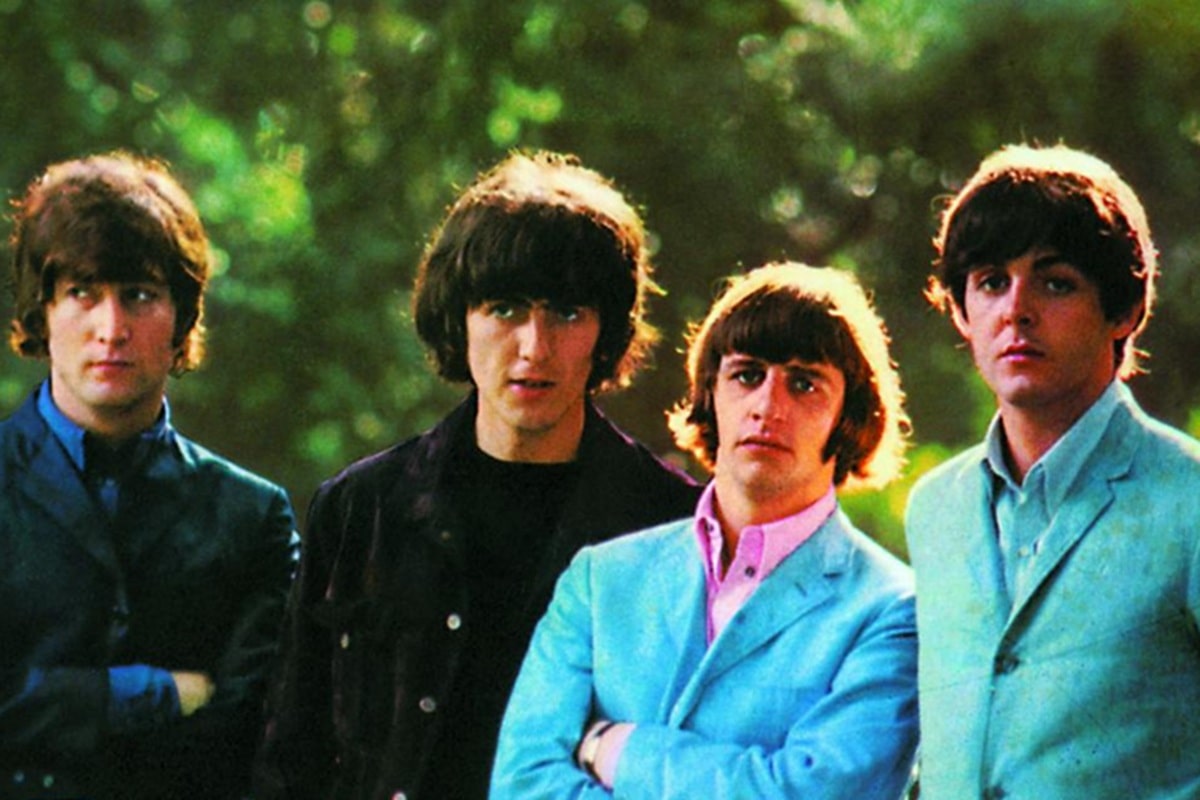
“Eleanor Rigby” es una de las canciones más celebradas en la historia de la música pop. Publicada el 5 de agosto de 1966 como un sencillo de doble lado A junto a “Yellow Submarine” —ambas pistas pertenecientes al álbum Revolver—, no tardó en cosechar un enorme séquito de fanáticos. Sin embargo, este clásico de The […]
Ver más noticias en Indie Hoy.
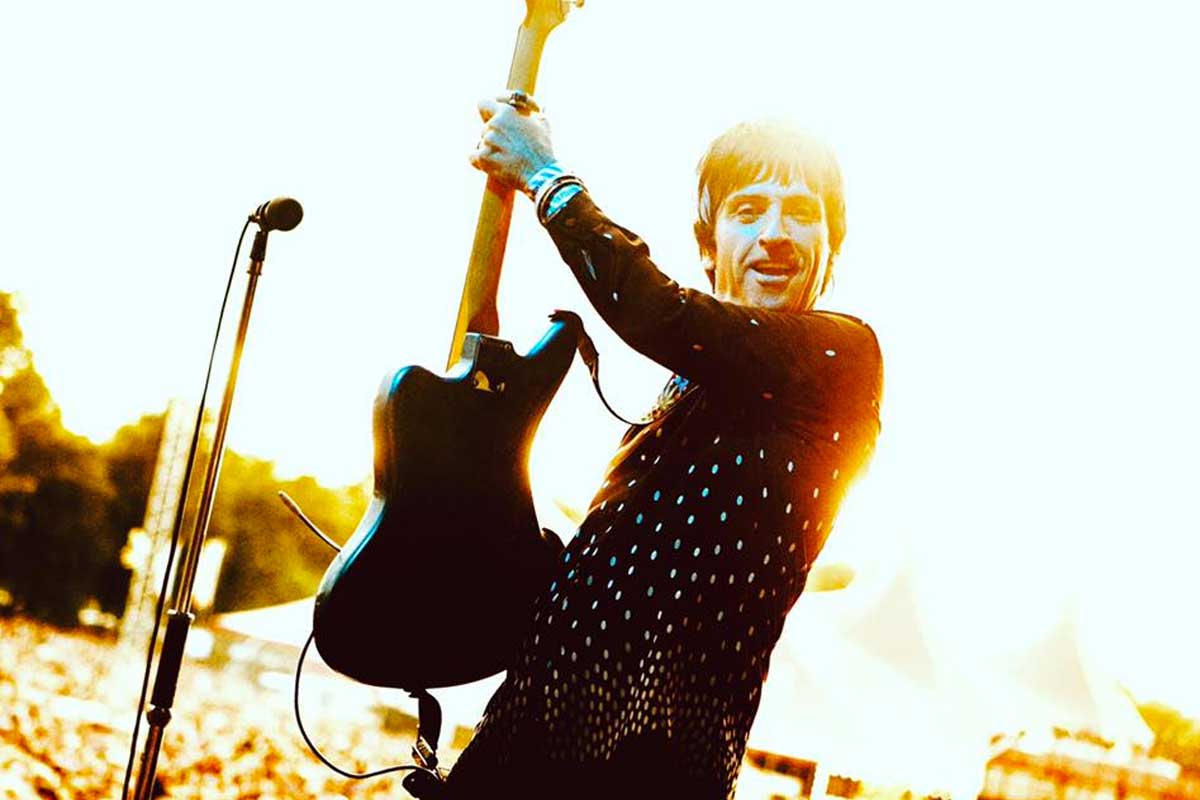
Johnny Marr tiene en su haber algunos de los riffs más reconocibles del rock alternativo de las últimas décadas. El guitarrista, nacido en Ardwick, Mánchester, construyó el sonido de The Smiths, una banda icónica para el rock británico y mundial. Sin embargo, cuando se le pregunta de qué riff se siente más orgulloso, el músico […]
Ver más noticias en Indie Hoy.